
J Renee Organics Skin and Beauty Blog:
Skin Advice for a Natural, Healthy, Glowing Complexion
Blog Search:

Stress: A Common Cause of Skin Aging
Stress can quietly accelerate skin aging by breaking down collagen and triggering inflammation. This post explains how daily antioxidant skincare helps protect against damage, and how treatments like microdermabrasion and microneedling work to smooth, strengthen, and restore a more youthful, healthy glow.

We often think of aging as something that just happens over time, but one of the biggest accelerators of premature aging is something most people deal with daily: stress.
When your body is under chronic stress, it releases cortisol: a hormone that, in excess, breaks down collagen and elastin. These are the very fibers that keep your skin firm, smooth and youthful.
Over time, this leads to:
Fine lines and wrinkles showing up earlier
Dull, tired-looking skin
Increased sensitivity and inflammation
Slower skin healing and more breakouts
Stress also triggers oxidative stress, which damages skin cells at a deeper level. This is where aging really speeds up.
The Antioxidant Solution (Your Daily Defense)
Antioxidants are one of the most powerful tools to protect your skin from stress-related aging. They work by neutralizing free radicals (unstable molecules that damage your skin cells), helping to:
Preserve collagen
Brighten and even out skin tone
Strengthen your skin barrier
Reduce inflammation
J Renee Organics Skincare contains vitamins and botanicals to protect your skin from the daily ravages of stress. Our products contain antioxidant ingredients like: vitamin C, green tea, pomegranate enzymes and botanical extracts rich in polyphenols for daily use. It’s been scientifically proven that using antioxidant-based skincare daily, helps prevent the visible signs of stress before they take hold. Prevention is key!
How to Reverse the Damage with Skincare Treatments:
If stress has already started showing up on your skin, the good news is: you can absolutely improve it!
Microdermabrasion: Reset & renew. Microdermabrasion gently removes the outer layer of dead, damaged skin, which improves texture and brightness, helps fade discoloration and allows antioxidants to penetrate deeper to work better. Regular treatments (every 4-6 weeks) can dramatically improve overall skin tone and smoothness. (Check out our membership discounts!)
Microneedling: Rebuild from within. Microneedling goes deeper, stimulating your skin to produce NEW collagen and elastin, which is key for softening fine lines and wrinkles, firming the skin and repairing long-term stress-related damage. It essentially tells your skin to act younger again by rebuilding what stress has broken down.
The Real Secret to Skin Longevity
The best results come from combining both approaches:
Daily antioxidant skincare to protect and prevent
Consistent professional treatments to repair and rebuild
This is how you move beyond quick fixes and actually support long-term skin health.
If your skin has been looking more tired, reactive or aged more than it should, stress may be the cause. The right combination of gentle treatments and targeted skincare can restore your glow—without harsh approaches that backfire. We offer many affordable options and constantly audit your plan to make sure it’s working.
Schedule your skin longevity appointment (any service, they are all customized to you and all come with a free skin assessment) or click the link at the bottom to get an online skin assessment and free skincare samples for your specific needs mailed to you.

After answering a list of questions about your lifestyle, current routine and other things about you, you will be emailed with a personalized skin assessment and product suggestions (free samples) from a skincare pro. This is not an automated, canned answer; you receive a personalized plan specific to you and it’s all from the comfort of your own home.
After finishing and submitting, got to the cart and pay and your assessment will be emailed to you within the week.
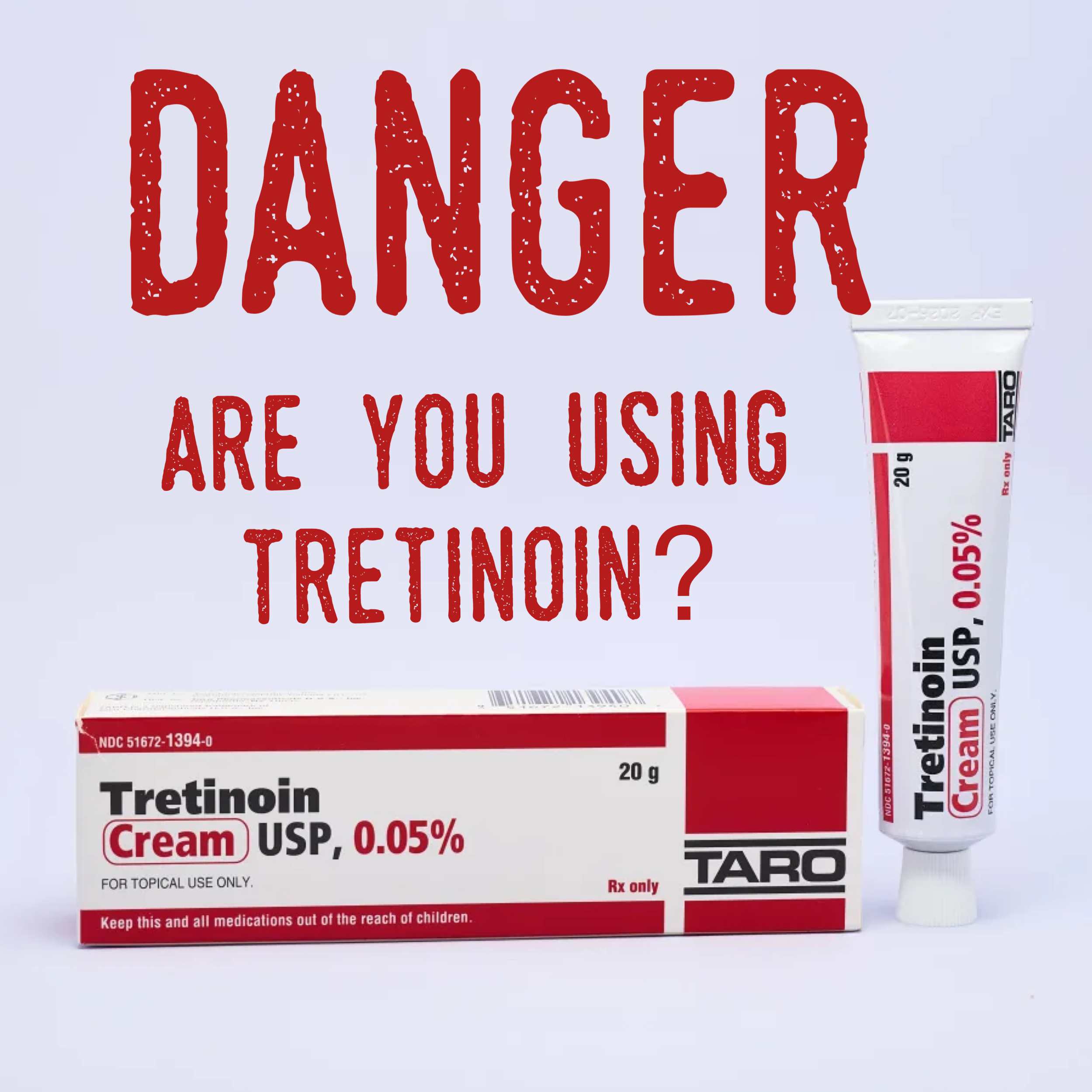
The Dangers of Tretinoin and the Better Alternative.
Many people use Tretinoin for anti-aging, but it can thin the skin barrier, increase irritation, and trigger inflammation CAUSING PREMATURE AGING. At J Renee Esthetics in Kennesaw, discover a gentler alternative with J Renee Organics—antioxidant-rich treatments and organic skincare that support collagen, strengthen the skin barrier, and promote healthy, glowing skin without harsh side effects.
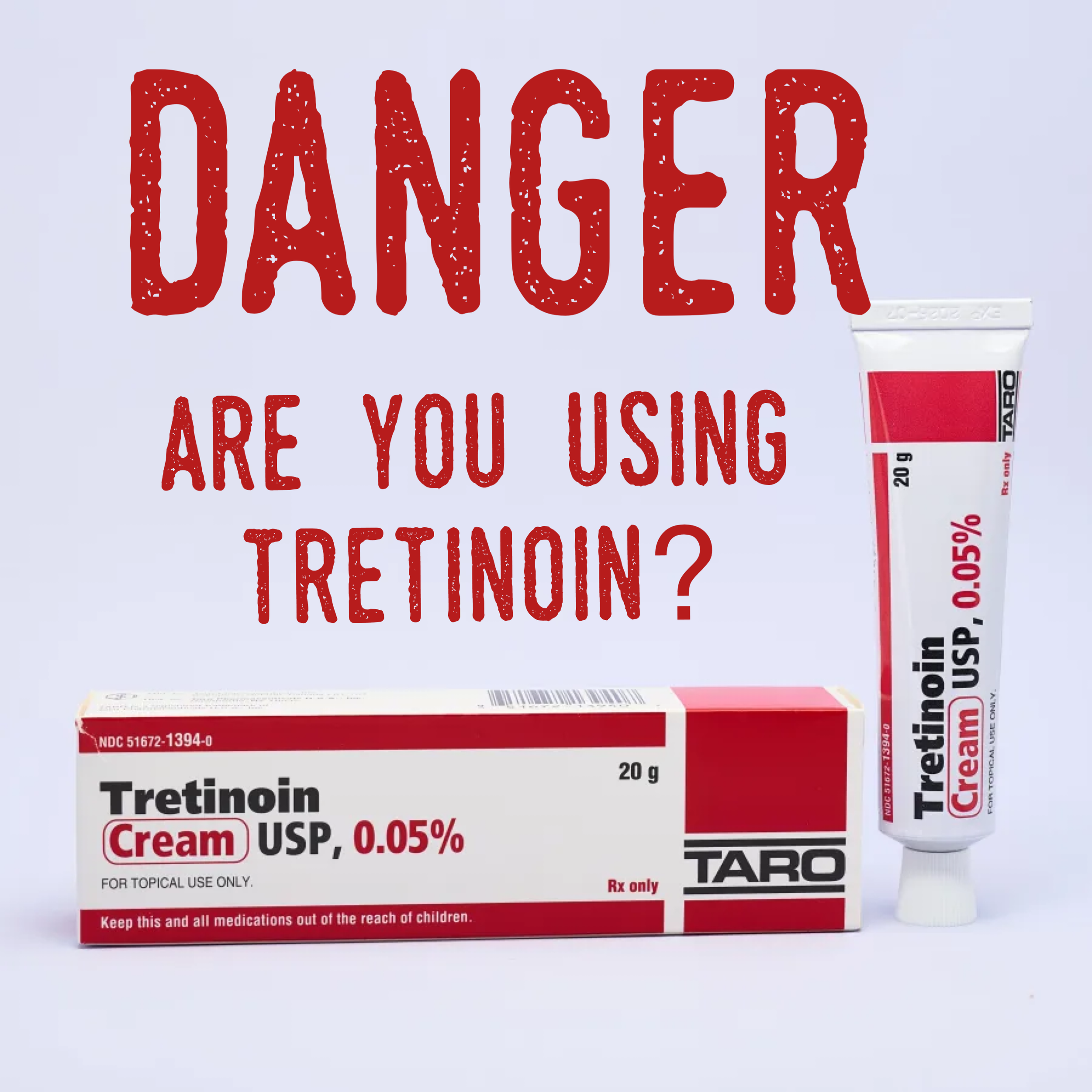
Using Tretinoin increases skin permeability by thinning and loosening the glue between the skin cells. That means some topical ingredients can penetrate more easily. If those ingredients are irritating or pro-inflammatory, they can trigger deep inflammation, which can cause barrier damage, hyperpigmentation or chronic irritation, which can also cause premature aging by breaking down collagen.
Below are ingredients commonly found in skincare that are more easily absorbed when using tretinoin.
1. Pro-inflammatory fragrance compounds:
Limonene
Linalool
Geraniol
Citral
Eugenol
2. Alcohols used as penetration enhancers: Many products contain small alcohol molecules that already increase absorption. These increase water loss and barrier disruption.
Ethanol / Alcohol denat.
Isopropyl alcohol
3. Strong exfoliating acids: These are already designed to penetrate skin. They can also excessively thin the skin and cause hyperpigmentation and inflammation when used with tretinoin.
Glycolic acid
Lactic acid
Salicylic acid
4. Certain preservatives: Some preservatives are small enough to penetrate and can cause irritation.
Phenoxyethanol
Benzoic acid
Benzyl alcohol
5. Synthetic penetration enhancers: Some ingredients intentionally increase penetration and can amplify tretinoin irritation.
Propylene glycol
Butylene glycol
The Damage: The biggest issue is chronic inflammation caused by deeper penetration of irritants. Researchers are discovering that SKIN AGING may be driven more by chronic low-grade inflammation. This is why, when disruptive products are applied or procedures are done to skin that open the barrier, that door MUST also be closed and inflammation relieved.
J Renee Esthetics Opens & Closes the Door to relieve inflammation and repair barrier function after breaking it down.
Step 1: Open the door (controlled penetration in the treatment room)
J Renee Esthetics temporarily improves penetration safely by gently removing the outer barrier layer. We pair enzyme peels and diamond tip microdermabrasion to:
Dissolve & remove compacted dead skin cells
Increase epidermal turnover
Improve penetration of antioxidants and hydrating ingredients
Allow nutrients to absorb more efficiently
Step 2: Deliver beneficial ingredients while the skin is receptive
Right after controlled exfoliation, the skin is more receptive to beneficial ingredients like:
antioxidants
vitamins
calming botanicals
barrier-supporting lipids
Professional serums and masks are applied so the skin can absorb what it needs most effectively.
Step 3: Close the door (rebuild the barrier at home)
After treatment, the most important step is closing the door again by strengthening the skin barrier with nourishing, non-irritating skincare. This is where J Renee Organics products come in.
Daily organic skincare helps:
Restore barrier lipids
plant oils rich in essential fatty acids
Deliver antioxidants
botanicals that neutralize free radicals
Calm inflammation
soothing plant extracts that prevent irritation
Support healthy turnover
gentle nutrients that help skin renew without over-exfoliating
When the barrier is strong, the skin becomes more resilient, hydrated and able to maintain results from professional treatments.
Schedule your treatment today and find out what products are best for you while we stimulate natural skin regeneration gently and effectively.
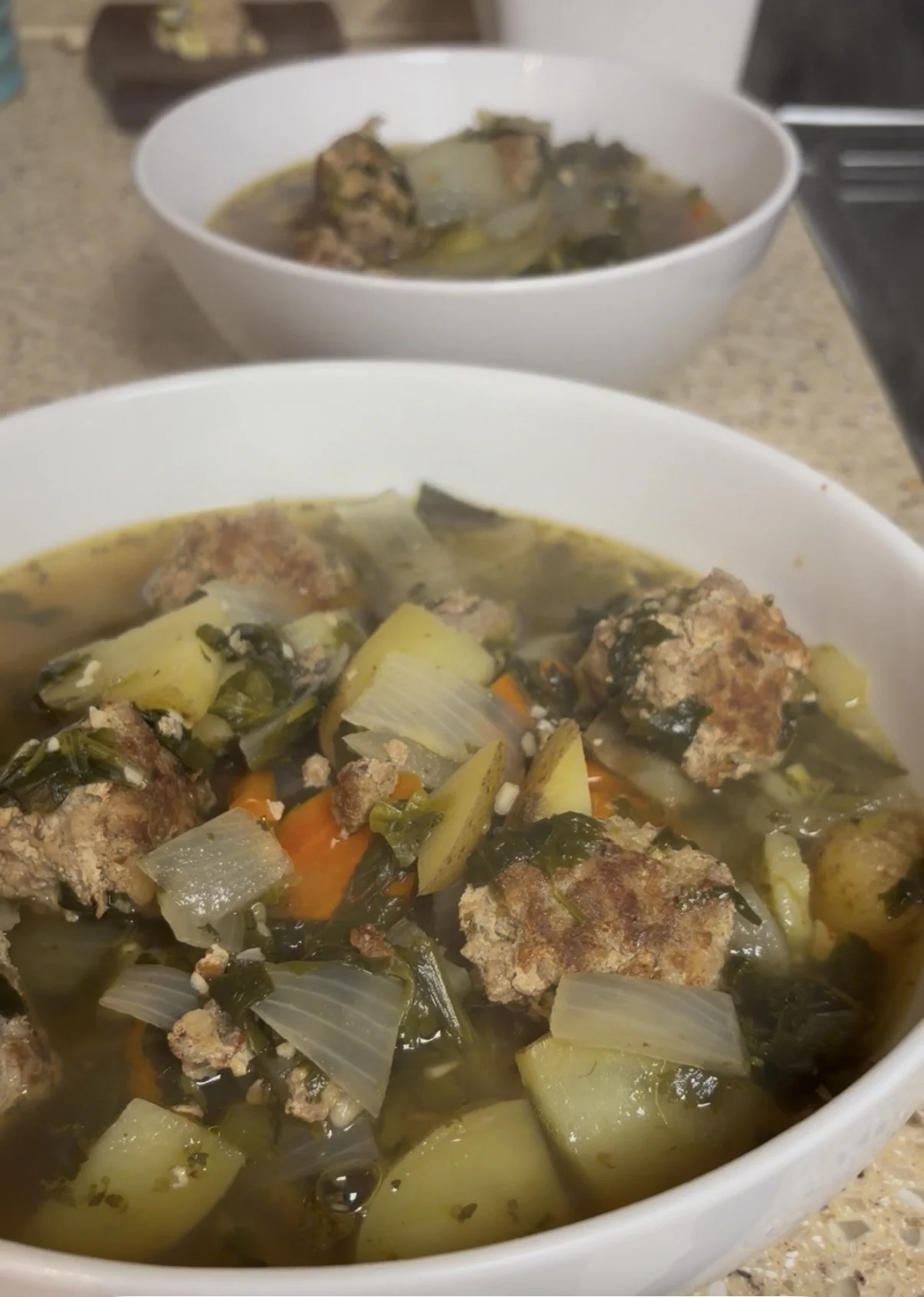
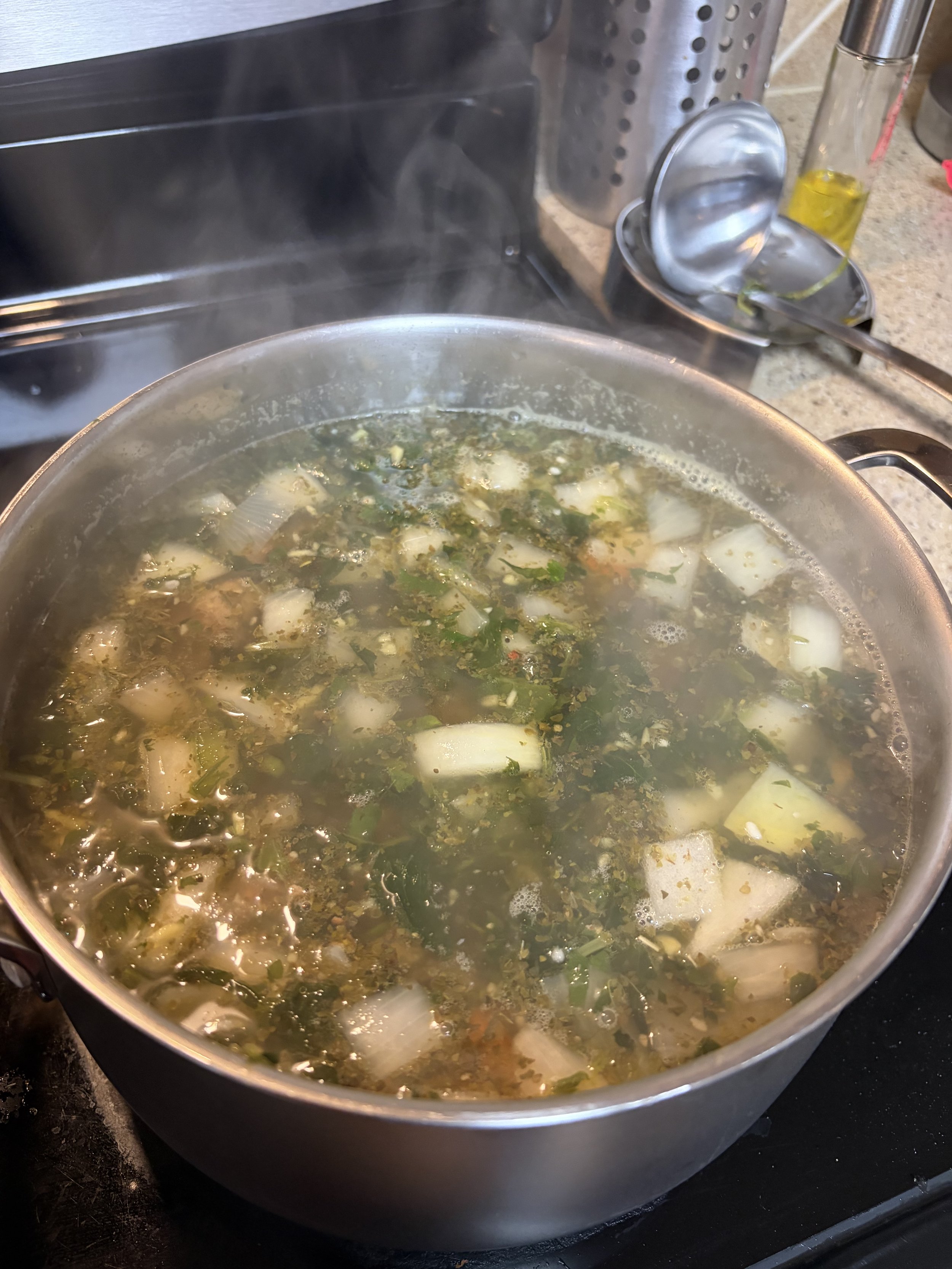
Skin Loving Soup
Healthy skin starts in the kitchen. This skin-supporting soup recipe is packed with antioxidants, protein, and anti-inflammatory ingredients that help support collagen, repair the skin barrier, and promote glowing skin naturally.
Meals rich in protein, antioxidants, and anti-inflammatory herbs don’t just nourish your body—they feed your skin the building blocks it needs for collagen, healing, and glow.
Skin Benefits of This Meal
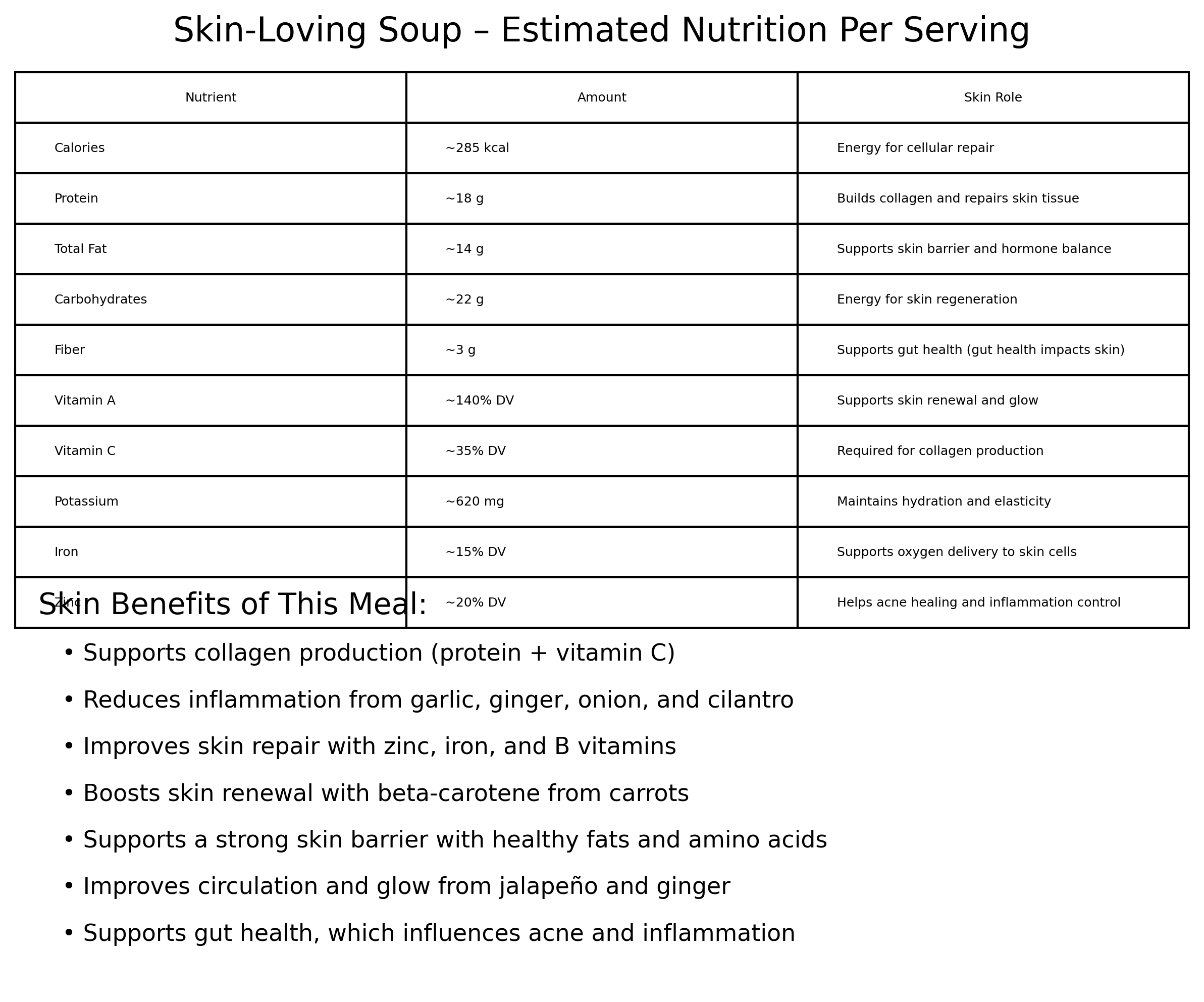
• Supports collagen production from protein, vitamin C, and amino acids
• Reduces inflammation thanks to garlic, ginger, cilantro, and onion
• Improves skin repair and healing with zinc, iron, and B vitamins
• Boosts skin renewal with beta-carotene from carrots (vitamin A precursor)
• Supports the skin barrier through healthy fats and amino acids
• Improves circulation and glow from jalapeño and ginger
• Supports gut health, which strongly influences acne and inflammation
Ingredients:
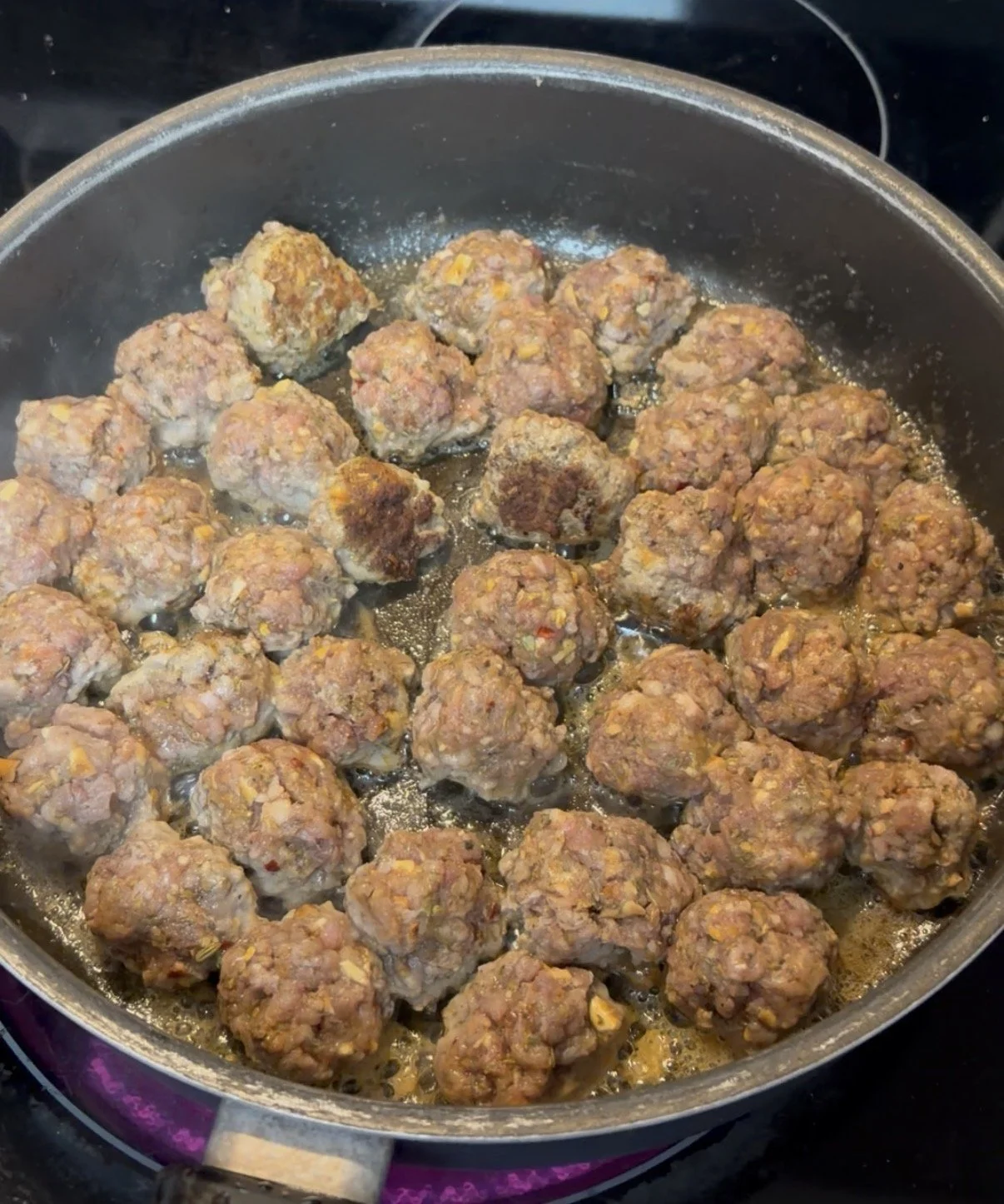
Meatballs:
16oz Fresh ground meat (your choice)
1/4 cup breadcrumbs
1 large egg
1/2 tsp oregano
1/2 tsp garlic powder
1/4 tsp black pepper
1/5 tsp salt
Roll into small balls and fry in pan with butter till browned. Rolling to cook each side. Set aside and add to soup mix 5 minutes before the soup is cooked.
Soup:
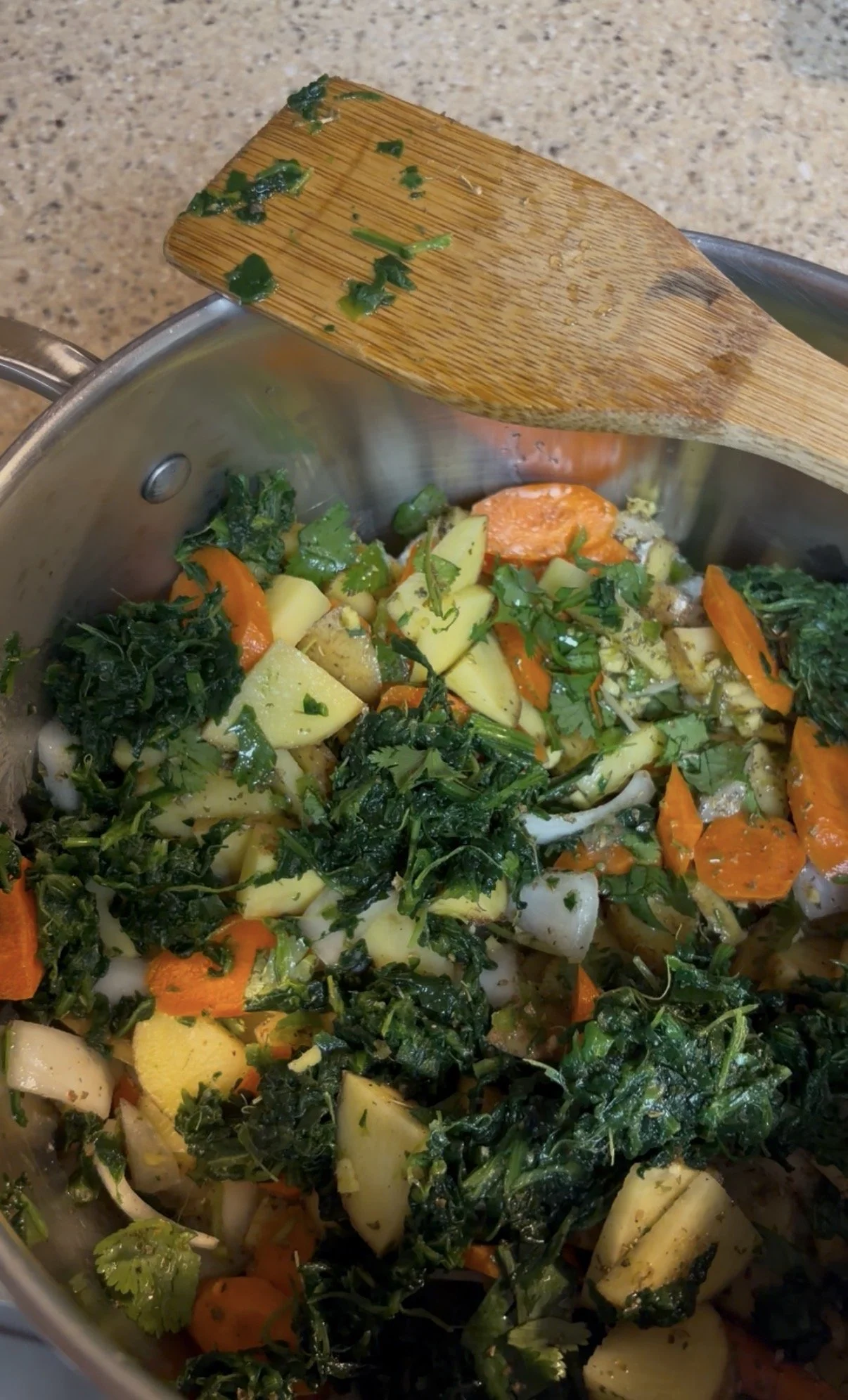
In a large pot, combine:
Peel and chop 2 large carrots
1/2 cup fresh chopped cilantro
3 chopped russet potato’s
1 chopped yellow onion
1 tbsp chopped garlic cloves
1/2 finely chopped jalapeño
1/2 tsp finely chopped ginger
1/2 tsp salt
1/2 tsp black pepper
2 32oz low sodium chicken broth
Cook on high for 15-20 minutes, then add meatballs and let cool for another 5 minutes.
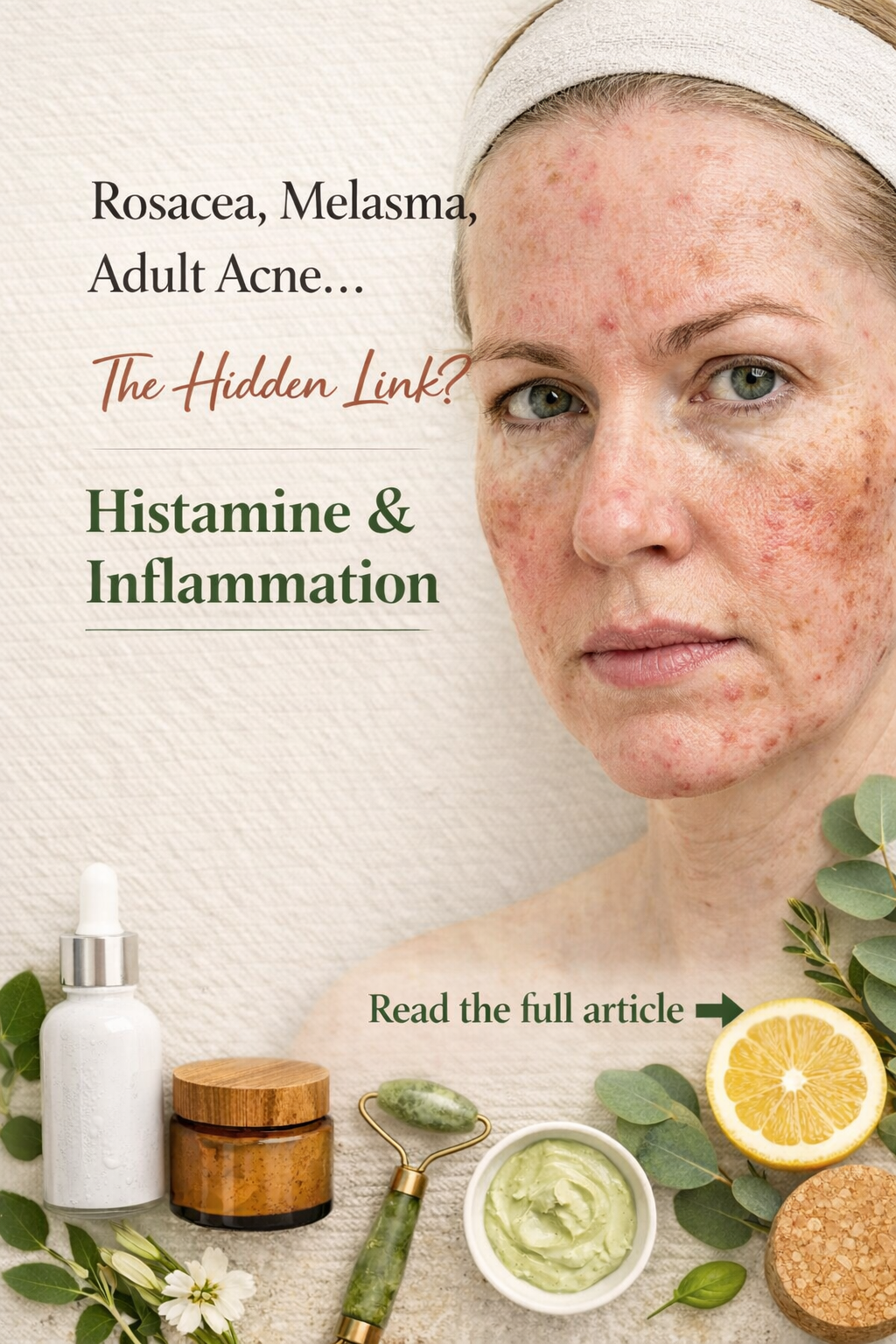
The Hidden Link Between Histamine, Rosacea, Melasma & Adult Acne
✨ You can’t exfoliate inflamed skin into health. You have to calm it.
Rosacea, melasma, and adult acne in Kennesaw, GA are often driven by inflammation and histamine imbalance — not just clogged pores or sun damage. At J Renee Esthetics in Kennesaw, we specialize in gentle organic facials, microdermabrasion, and microneedling designed to calm redness, reduce pigmentation, and support sensitive, reactive skin naturally.
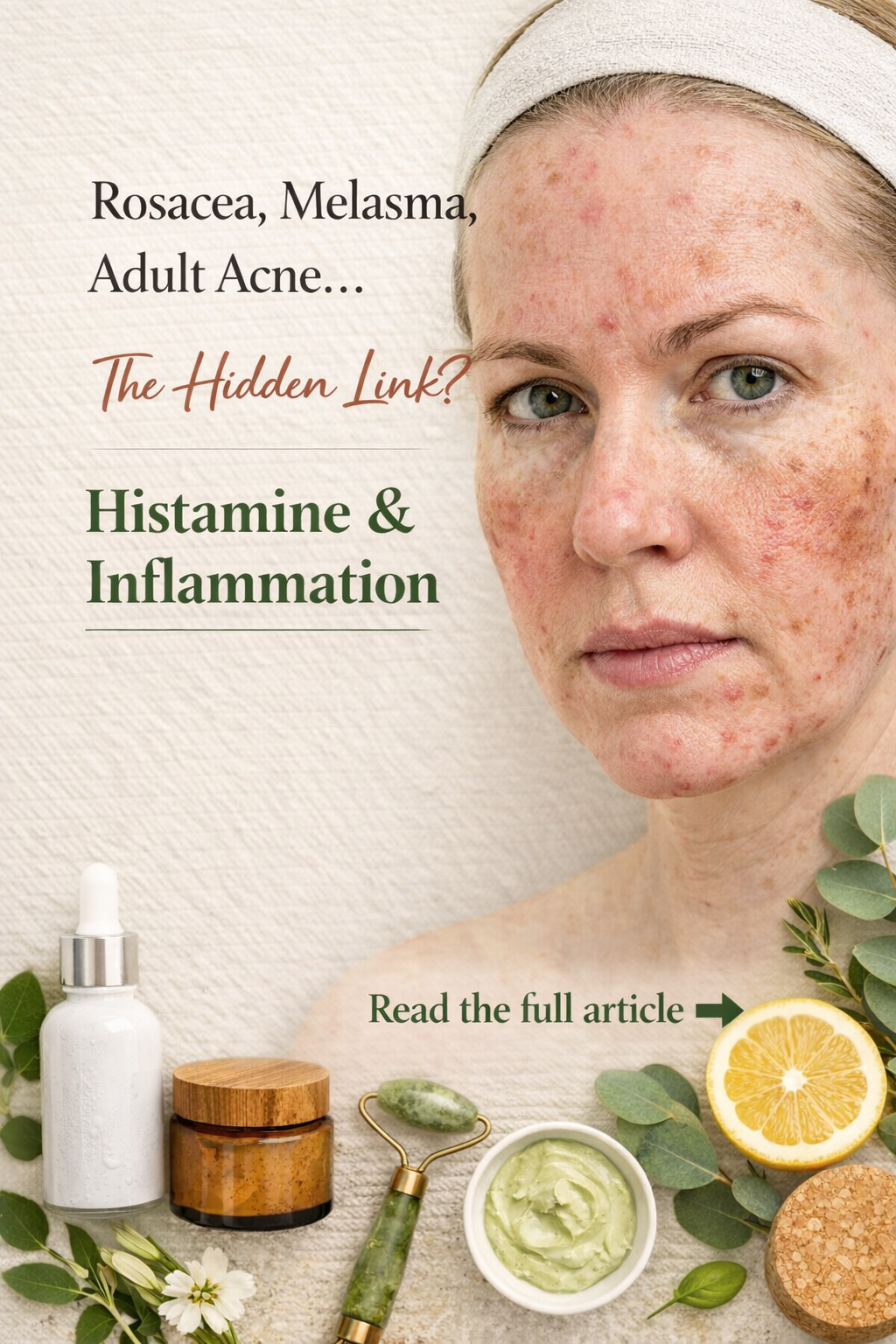
If your skin flushes easily, breaks out along the jawline, or develops stubborn pigmentation that won’t fade — the root issue may not be “bad skin.”
It may be inflammation driven by histamine.
Histamine is a natural immune chemical that expands blood vessels and increases inflammatory signaling. In excess, it can overstimulate the skin — leading to redness, pigment production, oil imbalance, and sensitivity.
How Histamine Affects the Skin
Rosacea:
Histamine triggers flushing and dilates blood vessels. Studies show elevated mast cells (histamine-releasing cells) in rosacea-prone skin, contributing to persistent redness and reactivity.
Melasma:
Inflammation stimulates melanocytes (pigment cells). Research indicates mast cell activity and inflammatory signals increase pigment production — which is why heat and irritation worsen melasma.
Adult Acne:
Histamine increases oil production and inflammatory response. When combined with hormonal shifts and gut stress, it can contribute to cystic, jawline breakouts and reactive skin.
This means you cannot exfoliate or “strip” inflammatory skin into health.
You must calm it.
How to Support Inflammatory Skin
1. Reduce Internal Triggers
Temporarily lowering high-histamine foods (like alcohol, aged foods, and leftovers) while increasing fresh, antioxidant-rich produce can help reduce systemic inflammation.
2. Focus on Gentle, Barrier-Supportive Treatments
Inflamed skin responds best to calming facials, light corrective treatments, and gradual stimulation — not aggressive peels during active flares.
3. Use Antioxidant-Rich, Organic Skincare
Antioxidants help neutralize free radicals, reduce oxidative stress, and calm inflammatory pathways. Clean, intentional formulations support the skin barrier instead of provoking it.
If You’re Not Using Antioxidant-Rich Skincare at Home Daily, You’re Wasting Your Money on Esthetics Treatments
If You’re Not Using Antioxidant-Rich Skincare at Home Daily, You’re Wasting Your Money on Esthetics Treatments
Let’s say the quiet part out loud:
If you’re investing in professional facials, microdermabrasion, or microneedling—but not using antioxidant-rich skincare at home every single day—you are sabotaging your own results.
I know that sounds dramatic. But it’s true.
Professional Treatments Create Change.
Antioxidants Protect It.
When you receive treatments like microdermabrasion or microneedling, your esthetician is stimulating collagen, increasing cell turnover, improving circulation, and correcting damage.
But here’s the problem:
Every single day, your skin is exposed to:
UV radiation
Pollution
Blue light
Stress hormones
Inflammation
Poor diet
Environmental toxins
All of these create free radicals — unstable molecules that break down collagen, accelerate aging, worsen pigmentation, and trigger inflammation.
If you’re not using antioxidants daily, those free radicals undo the very results you just paid for.
What Antioxidants Actually Do for Your Skin
Antioxidants neutralize free radicals before they damage your skin.
That means they:
Protect collagen (especially after microneedling)
Reduce inflammation (critical for acne + sensitive skin)
Brighten pigmentation
Support barrier repair
Slow visible aging
Think of professional treatments as the gym workout. Antioxidants are the daily protein and recovery plan. You wouldn’t work out once a month and expect lasting results. Skin works the same way.
Why This Matters Even More After 35
As hormones shift and collagen production naturally declines, your skin becomes:
Thinner
More reactive
Slower to repair
More prone to pigmentation
Without antioxidant protection, oxidative stress speeds up that decline.
This is especially important if you’re receiving:
Microdermabrasion
Microneedling
Corrective facials
Chemical peels
These treatments create controlled stimulation. Antioxidants protect and enhance the healing response.