
J Renee Organics Skin and Beauty Blog:
Skin Advice for a Natural, Healthy, Glowing Complexion
Blog Search:
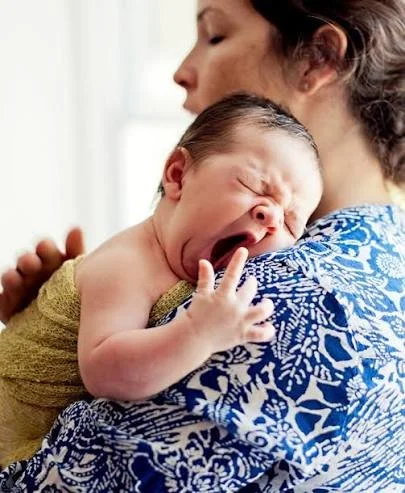
How Pregnancy, Birth & Breastfeeding Affect Your Skin (and How to Support It Naturally)
Pregnancy and postpartum hormones can trigger acne, melasma, dryness, and sensitivity. Discover how gentle, results-driven treatments at J Renee Esthetics and nourishing J Renee Organics skincare help restore balance, strengthen the skin barrier, and bring back a healthy, radiant glow.
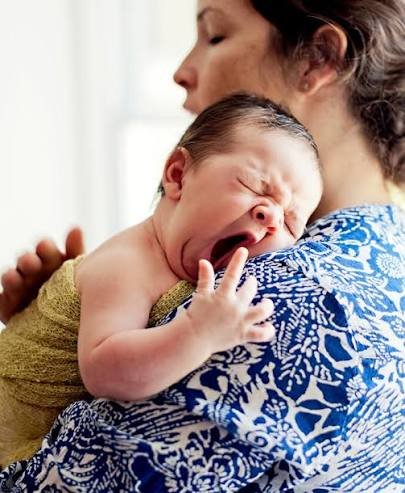
Pregnancy, childbirth, and breastfeeding bring beautiful changes—but your skin often goes through its own transformation too. These shifts are completely normal, but understanding them helps you care for your skin in a way that keeps it healthy, calm, and glowing long-term.
What Happens to Your Skin?
1. Hormonal Fluctuations
During pregnancy, rising estrogen and progesterone can increase oil production, leading to breakouts, congestion, or that “pregnancy glow.” After birth, hormone levels drop quickly, often causing dryness, sensitivity, and dullness.
2. Melasma & Pigmentation
Many women develop melasma (“pregnancy mask”), showing up as darker patches on the face. This can linger postpartum, especially with sun exposure.
3. Increased Sensitivity
Skin often becomes more reactive during and after pregnancy, making harsh treatments or active ingredients more likely to trigger irritation.
4. Dehydration & Barrier
Breastfeeding can pull hydration from the body, leaving skin dry, tight, and more prone to inflammation.
How to Support Your Skin (The J Renee Approach)
At J Renee Esthetics, the philosophy is simple: heal, strengthen, and support—never overwhelm the skin.
In the Treatment Room:
Custom Facials for Hormonal Skin
Gentle, barrier-repair focused facials calm inflammation, restore hydration, and rebalance oil production.Enzyme Peels (Not Harsh Acids)
These safely brighten pigmentation like melasma without triggering sensitivity.LED Light Therapy
Helps reduce inflammation, support healing, and boost collagen—perfect for postpartum skin recovery.Microdermabrasion (When Appropriate)
Light resurfacing to improve texture and dullness without aggressive damage.
At Home with J Renee Organics:
Antioxidant-Rich Cleansers & Serums
Support cellular repair and protect against pigmentation worsening.Barrier-Repair Moisturizers
Restore hydration and strengthen sensitive, depleted skin.Gentle Enzyme Treatments
Keep skin smooth and bright without disrupting your skin’s natural balance.Calming Toners & Serums
Help reduce redness, breakouts, and reactivity common during hormonal shifts.
The Bottom Line
Your skin isn’t “failing”—it’s adapting.
Pregnancy and postpartum skin changes are temporary signals that your skin needs support, not stress. With the right treatments and gentle, effective products, your skin can become stronger, healthier, and more radiant over time.
* Ready to rebalance your skin after baby?
Book a customized facial at J Renee Esthetics and get a personalized skin plan using J Renee Organics—designed to restore your glow safely and naturally.
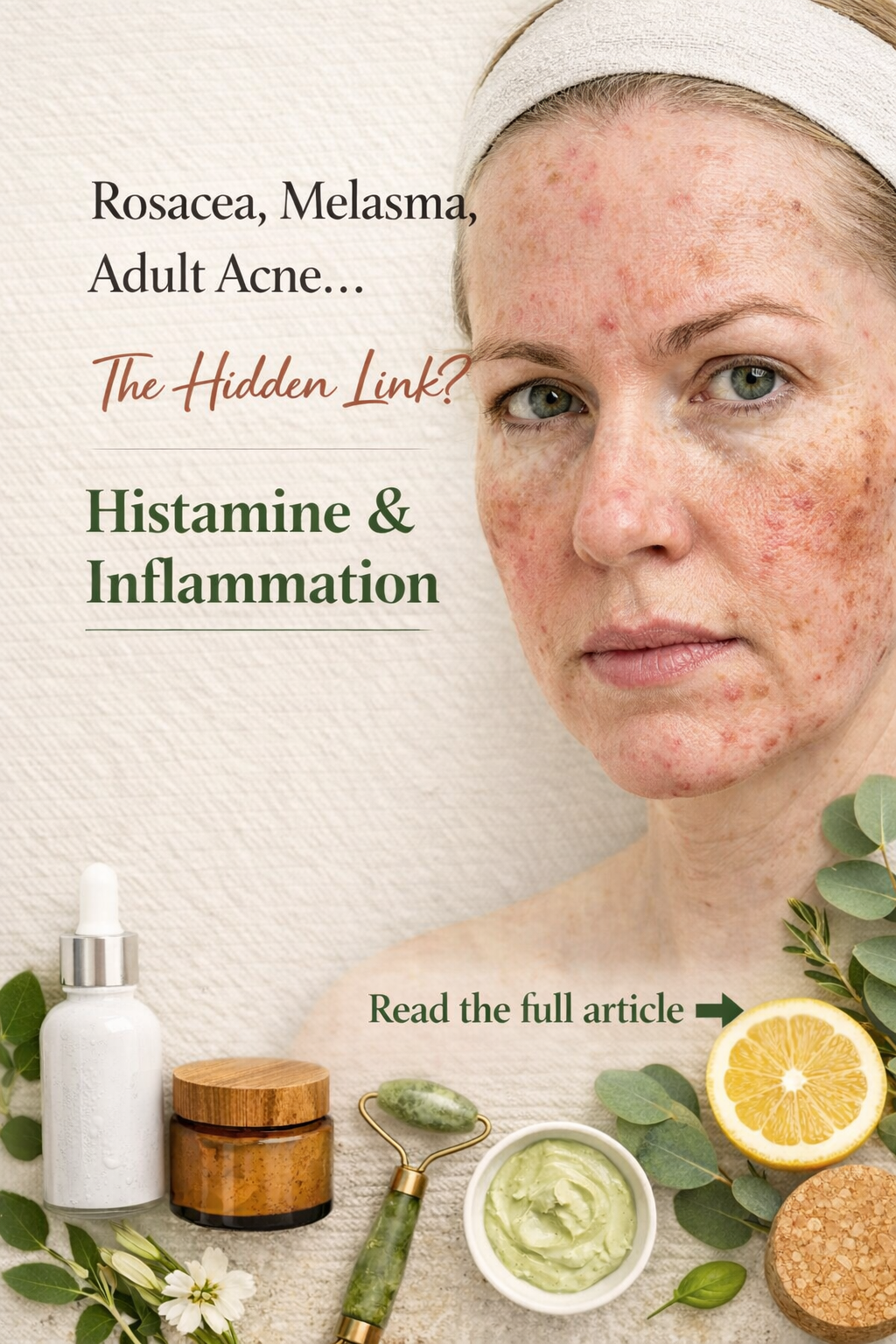
The Hidden Link Between Histamine, Rosacea, Melasma & Adult Acne
✨ You can’t exfoliate inflamed skin into health. You have to calm it.
Rosacea, melasma, and adult acne in Kennesaw, GA are often driven by inflammation and histamine imbalance — not just clogged pores or sun damage. At J Renee Esthetics in Kennesaw, we specialize in gentle organic facials, microdermabrasion, and microneedling designed to calm redness, reduce pigmentation, and support sensitive, reactive skin naturally.
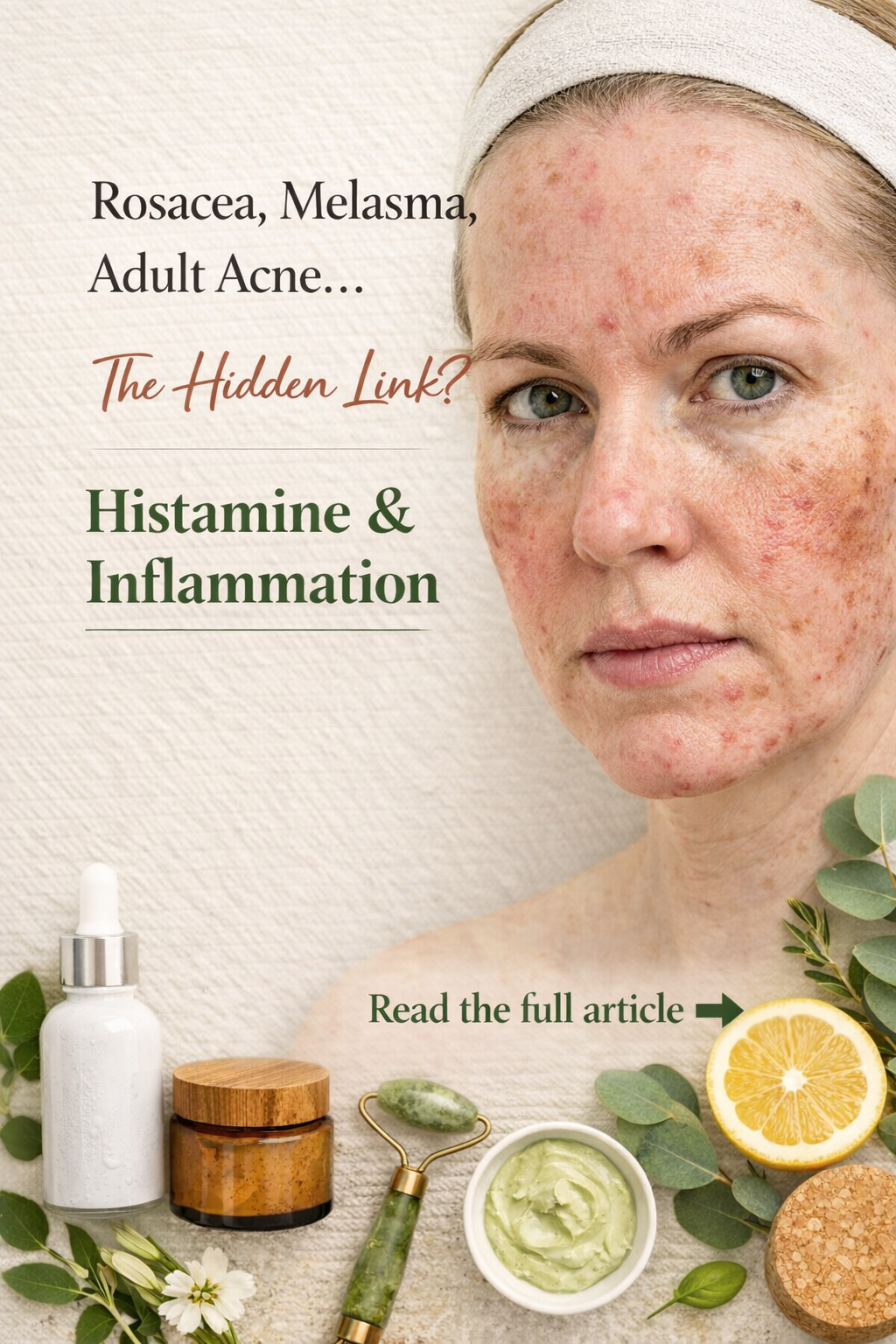
If your skin flushes easily, breaks out along the jawline, or develops stubborn pigmentation that won’t fade — the root issue may not be “bad skin.”
It may be inflammation driven by histamine.
Histamine is a natural immune chemical that expands blood vessels and increases inflammatory signaling. In excess, it can overstimulate the skin — leading to redness, pigment production, oil imbalance, and sensitivity.
How Histamine Affects the Skin
Rosacea:
Histamine triggers flushing and dilates blood vessels. Studies show elevated mast cells (histamine-releasing cells) in rosacea-prone skin, contributing to persistent redness and reactivity.
Melasma:
Inflammation stimulates melanocytes (pigment cells). Research indicates mast cell activity and inflammatory signals increase pigment production — which is why heat and irritation worsen melasma.
Adult Acne:
Histamine increases oil production and inflammatory response. When combined with hormonal shifts and gut stress, it can contribute to cystic, jawline breakouts and reactive skin.
This means you cannot exfoliate or “strip” inflammatory skin into health.
You must calm it.
How to Support Inflammatory Skin
1. Reduce Internal Triggers
Temporarily lowering high-histamine foods (like alcohol, aged foods, and leftovers) while increasing fresh, antioxidant-rich produce can help reduce systemic inflammation.
2. Focus on Gentle, Barrier-Supportive Treatments
Inflamed skin responds best to calming facials, light corrective treatments, and gradual stimulation — not aggressive peels during active flares.
3. Use Antioxidant-Rich, Organic Skincare
Antioxidants help neutralize free radicals, reduce oxidative stress, and calm inflammatory pathways. Clean, intentional formulations support the skin barrier instead of provoking it.