
J Renee Organics Skin and Beauty Blog:
Skin Advice for a Natural, Healthy, Glowing Complexion
Blog Search:
How Pregnancy, Birth & Breastfeeding Affect Your Skin (and How to Support It Naturally)
Pregnancy and postpartum hormones can trigger acne, melasma, dryness, and sensitivity. Discover how gentle, results-driven treatments at J Renee Esthetics and nourishing J Renee Organics skincare help restore balance, strengthen the skin barrier, and bring back a healthy, radiant glow.
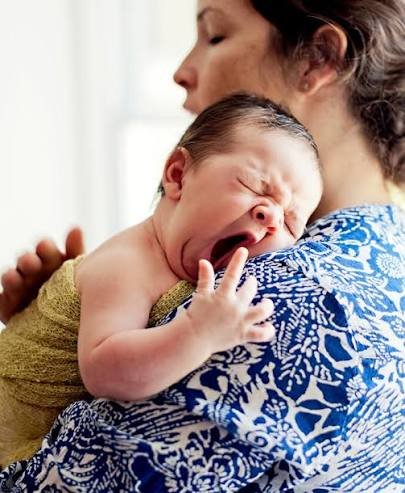
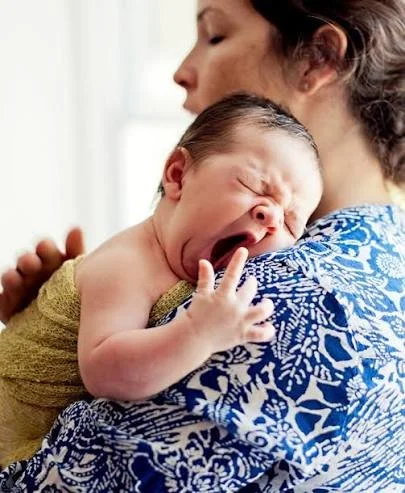
Pregnancy, childbirth, and breastfeeding bring beautiful changes—but your skin often goes through its own transformation too. These shifts are completely normal, but understanding them helps you care for your skin in a way that keeps it healthy, calm, and glowing long-term.
What Happens to Your Skin?
1. Hormonal Fluctuations
During pregnancy, rising estrogen and progesterone can increase oil production, leading to breakouts, congestion, or that “pregnancy glow.” After birth, hormone levels drop quickly, often causing dryness, sensitivity, and dullness.
2. Melasma & Pigmentation
Many women develop melasma (“pregnancy mask”), showing up as darker patches on the face. This can linger postpartum, especially with sun exposure.
3. Increased Sensitivity
Skin often becomes more reactive during and after pregnancy, making harsh treatments or active ingredients more likely to trigger irritation.
4. Dehydration & Barrier
Breastfeeding can pull hydration from the body, leaving skin dry, tight, and more prone to inflammation.
How to Support Your Skin (The J Renee Approach)
At J Renee Esthetics, the philosophy is simple: heal, strengthen, and support—never overwhelm the skin.
In the Treatment Room:
Custom Facials for Hormonal Skin
Gentle, barrier-repair focused facials calm inflammation, restore hydration, and rebalance oil production.Enzyme Peels (Not Harsh Acids)
These safely brighten pigmentation like melasma without triggering sensitivity.LED Light Therapy
Helps reduce inflammation, support healing, and boost collagen—perfect for postpartum skin recovery.Microdermabrasion (When Appropriate)
Light resurfacing to improve texture and dullness without aggressive damage.
At Home with J Renee Organics:
Antioxidant-Rich Cleansers & Serums
Support cellular repair and protect against pigmentation worsening.Barrier-Repair Moisturizers
Restore hydration and strengthen sensitive, depleted skin.Gentle Enzyme Treatments
Keep skin smooth and bright without disrupting your skin’s natural balance.Calming Toners & Serums
Help reduce redness, breakouts, and reactivity common during hormonal shifts.
The Bottom Line
Your skin isn’t “failing”—it’s adapting.
Pregnancy and postpartum skin changes are temporary signals that your skin needs support, not stress. With the right treatments and gentle, effective products, your skin can become stronger, healthier, and more radiant over time.
* Ready to rebalance your skin after baby?
Book a customized facial at J Renee Esthetics and get a personalized skin plan using J Renee Organics—designed to restore your glow safely and naturally.
The Hidden Hormone Reason Treatments Hurt More
Hormonal changes during menstruation and menopause can increase pain sensitivity and make skin treatments like waxing and microneedling more uncomfortable. Learn why pain is higher during these stages and how to reduce discomfort for better skincare results.
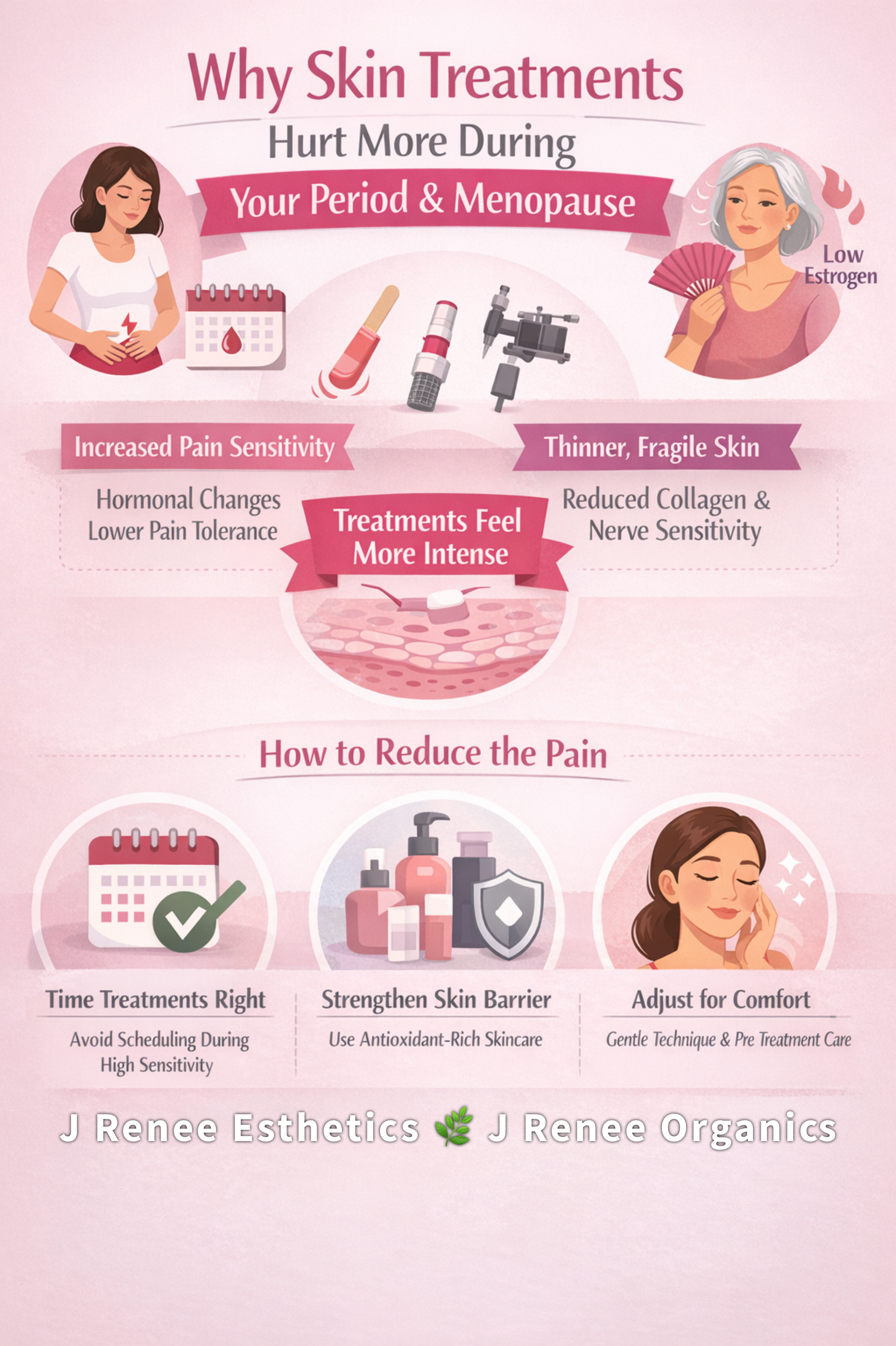
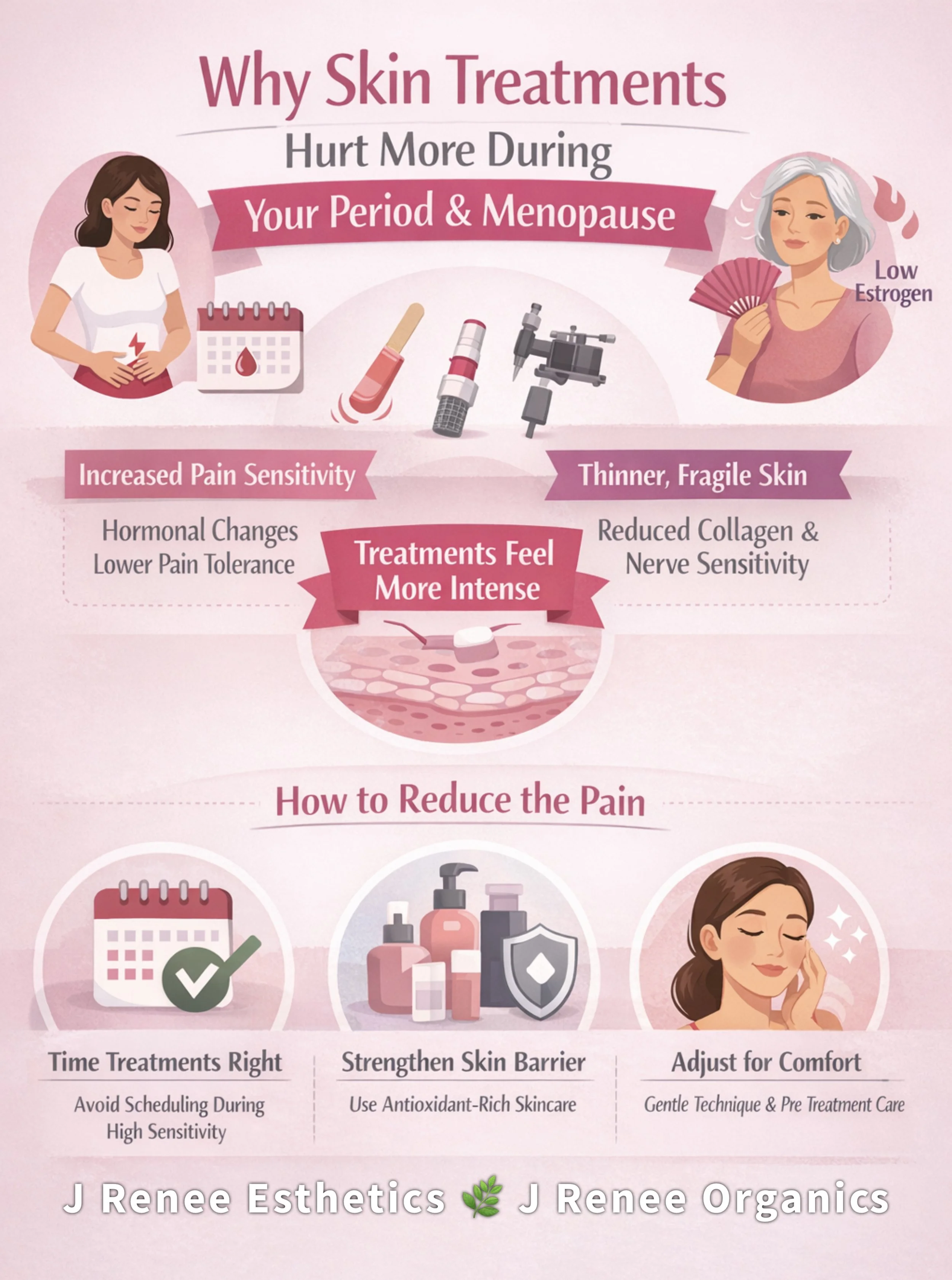
If you’ve ever felt like waxing, microneedling or other skin treatments suddenly hurt more than usual, your hormones may be the reason. Research shows that pain sensitivity increases during both menstruation and menopause due to hormonal changes that affect the nervous system and the skin itself.
Understanding these changes can help you schedule treatments more strategically — and make them far more comfortable.
Why Pain Is Worse During Your Period
Studies published in the journal Pain show that women experience lower pain thresholds during menstruation. When estrogen levels drop at the start of the menstrual cycle, the nervous system becomes more sensitive to pain signals.
This means procedures like waxing, microneedling, tattoos or laser treatments can feel significantly more uncomfortable during your period.
Why Pain Can Also Increase During Menopause
Menopause brings a longer-term drop in estrogen. Estrogen helps regulate inflammation, nerve sensitivity and skin thickness. As levels decline, several changes occur:
Skin becomes thinner
Collagen levels decrease
Nerve endings sit closer to the surface
Skin becomes more reactive
These factors can make pain-inducing treatments feel stronger than they did earlier in life.
How to Make Treatments More Comfortable
Fortunately, there are several ways to reduce discomfort:
Time treatments strategically: Avoid scheduling waxing, microneedling, or other painful procedures during your period when pain sensitivity is highest.
Strengthen the skin barrier: Using antioxidant-rich, barrier-supportive skincare helps skin tolerate treatments better. J Renee Organics are PACKED full of antioxidants.
Reduce inflammation beforehand: Hydrating and calming the skin prior to treatments can significantly reduce discomfort.
Adjust treatment intensity: Experienced estheticians can modify depth, pressure or technique for more sensitive skin.
The Bottom Line
Hormones influence far more than mood — they also affect how your body processes pain and how your skin responds to treatments.
Avoid scheduling pain-inducing procedures during your period and if you are menopausal, focus on skin preparation, barrier support and professional treatment adjustments to keep treatments comfortable and effective.
Your skin — and your nerves — will thank you.