
J Renee Organics Skin and Beauty Blog:
Skin Advice for a Natural, Healthy, Glowing Complexion
Blog Search:
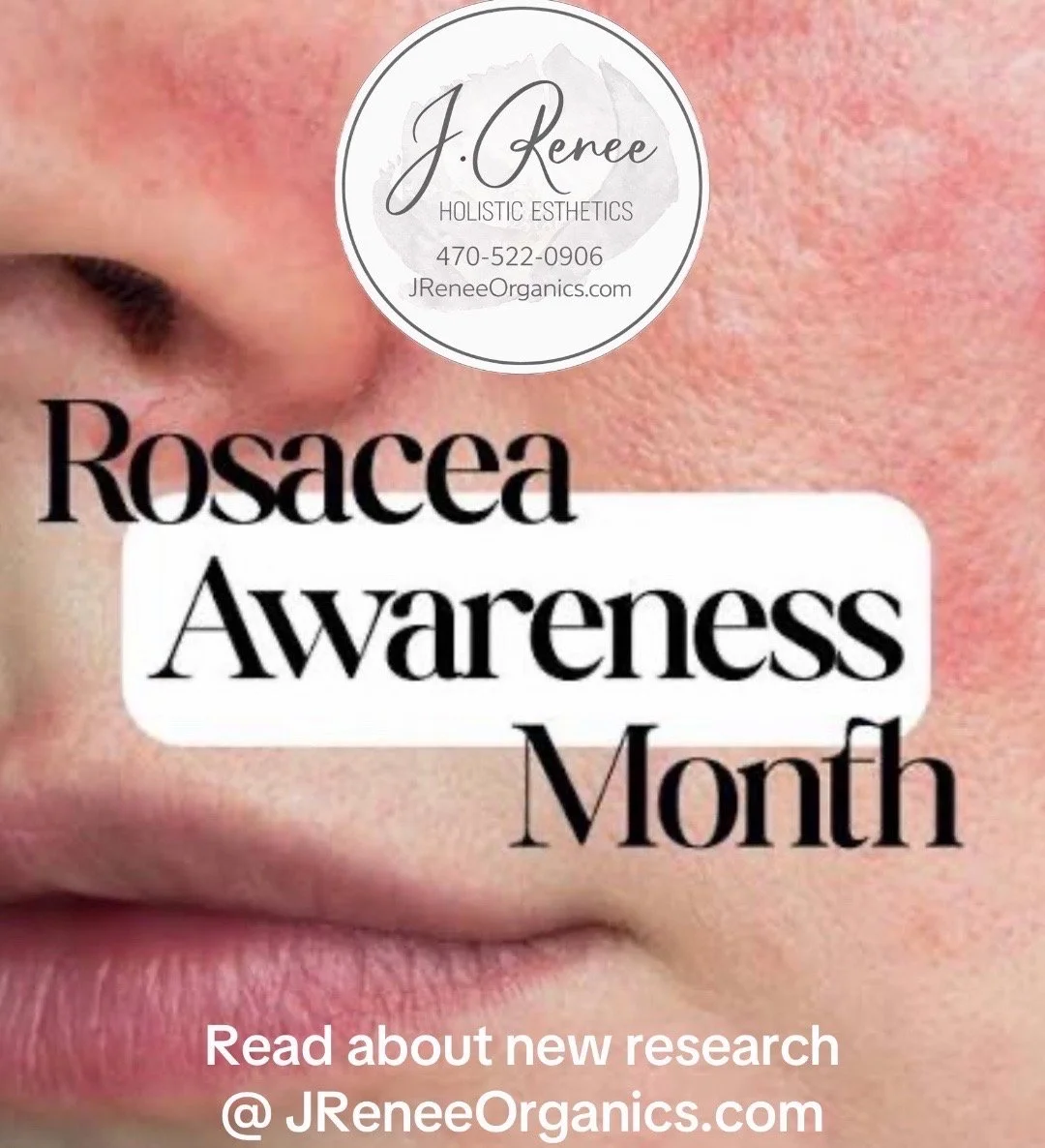
Rosacea Awareness Month
Rosacea isn’t just redness—it’s a cycle happening beneath the surface. New research shows it’s driven by a loop of immune overreaction, barrier damage, microbial imbalance, and heightened nerve and vascular responses—each one feeding the next and keeping skin in a constant state of inflammation.
That’s why harsh treatments often fail. True improvement comes from calming the skin, repairing the barrier, and supporting a balanced microbiome.
J Renee Organics is formulated with this approach in mind—helping reduce inflammation, strengthen the skin, and restore long-term resilience so rosacea-prone skin can finally stabilize and glow.
👉 Read more and shop your routine at JReneeOrganics.com
Rosacea isn’t random—it’s a cycle 🔥
• Immune overreaction
• Barrier breakdown
• Microbial imbalance
• Neurovascular sensitivity
Each one fuels the next… and keeps the skin stuck in inflammation.
✨ The shift? Stop attacking your skin—and start supporting it.
J Renee Organics is designed to:
✔ Calm inflammation
✔ Strengthen the skin barrier
✔ Support a healthy microbiome
✔ Reduce visible redness + sensitivity
Real healing happens when the skin is supported—not stripped.
💆♀️ Ready to break the cycle?
Book your treatment + start your home care routine today.
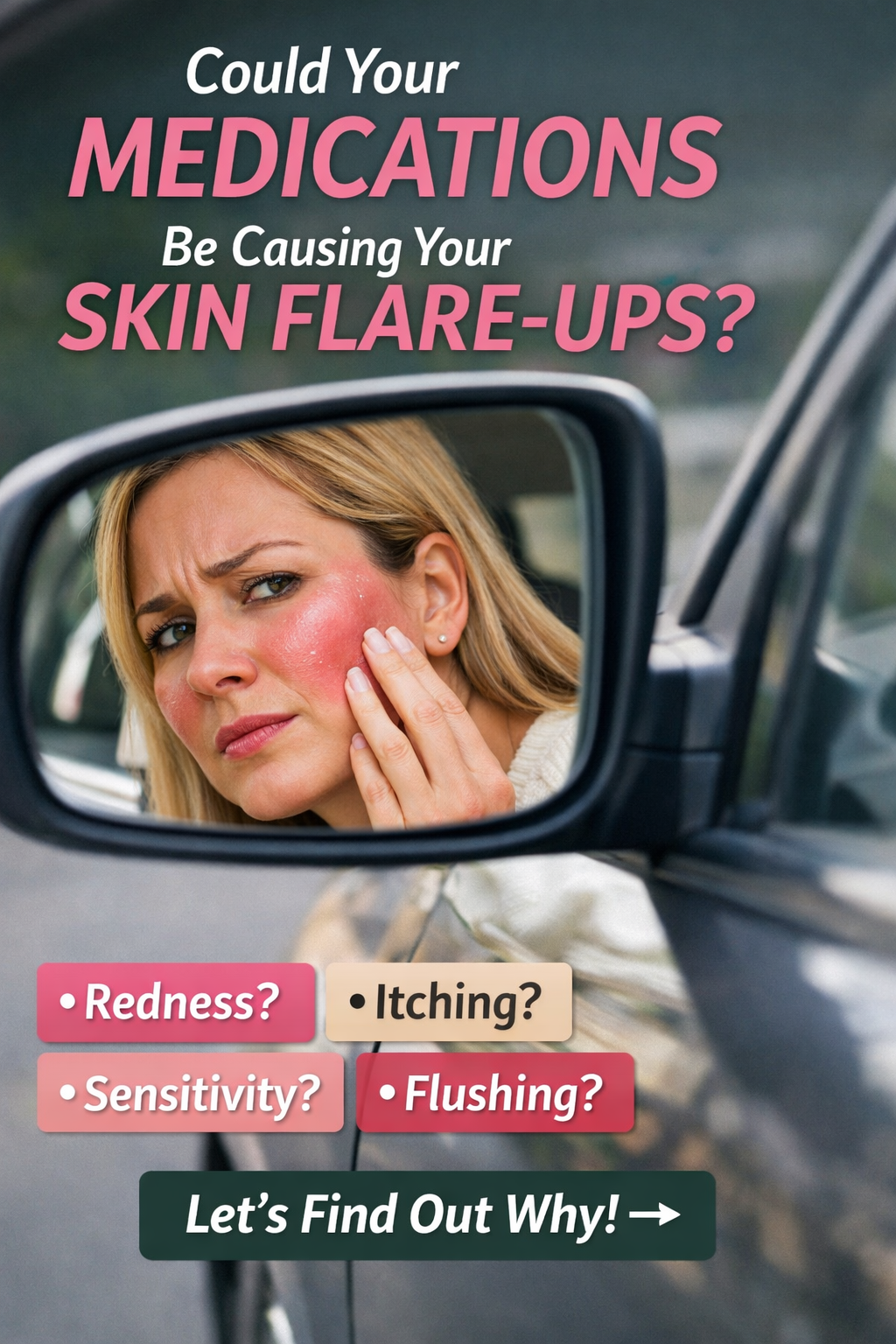
💊 The Hidden Skin Triggers in Your Medicine Cabinet
Struggling with sensitive or reactive skin in Kennesaw? Learn how common OTC medications may be triggering redness, flushing, and irritation—and what you can do to calm your skin with expert help from J Renee Esthetics.
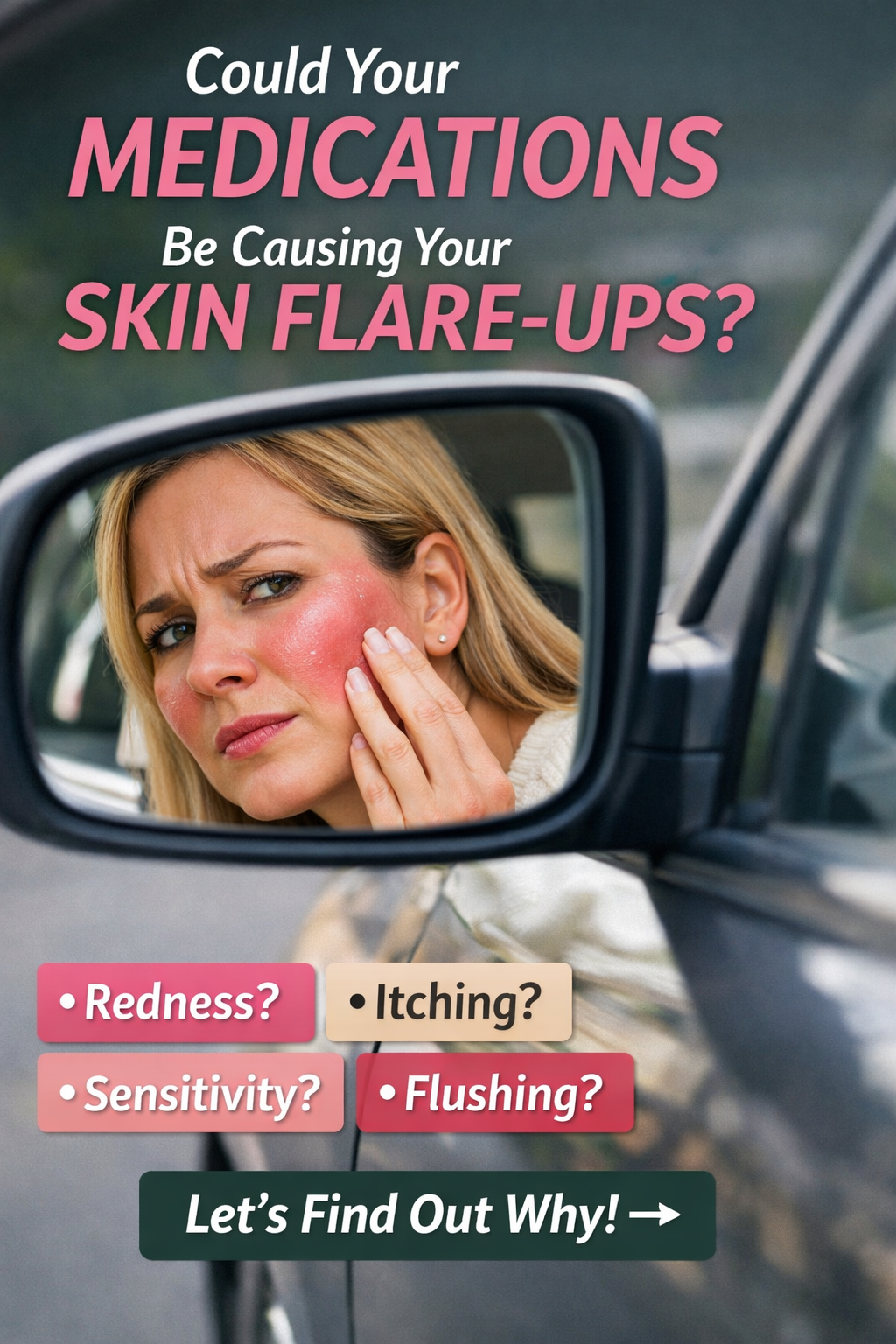
How Common OTC Medications Can Make Skin Reactive (And What You Can Do About It)
If your skin has suddenly become more sensitive, reactive, red or unpredictable—you might be looking at your skincare…
…but the real culprit could be sitting in your medicine cabinet.
Many common over-the-counter (OTC) medications can quietly disrupt your skin barrier, increase inflammation or trigger histamine responses—especially if you already struggle with sensitive skin, rosacea, acne or chronic health issues.
Let’s break down what could be affecting your skin—and exactly what you can do about it.
1. Pain Relievers (NSAIDs)
Common examples:
What they can do to your skin:
Increase histamine release → redness, itching, hives
Trigger flushing (especially in rosacea clients)
Worsen mast cell activation symptoms
✔️ What you can do about it:
Track flares after taking these medications
Use only when necessary (not daily if avoidable)
Support your skin barrier with calming, anti-inflammatory products
Consider discussing alternatives with your doctor if reactions are frequent
2. Cold Medications & Decongestants
Common examples:
What they can do to your skin:
Constrict blood vessels → rebound redness and flushing
Increase dryness and dehydration
Make sensitive skin feel tighter and more reactive
✔️ What you can do about it:
Increase hydration (inside + topical) while using them
Avoid exfoliation or aggressive treatments during use
Focus on barrier-repair skincare (think soothing, nourishing, simple)
Add a humidifier if you’re taking these for several days
3. Antihistamines (The Double-Edged Sword)
Common examples:
What they can do to your skin:
Dry out the skin → compromised barrier
Lead to dull, tight, or flaky skin over time
Sometimes cause paradoxical sensitivity
✔️ What you can do about it:
Use hydrating, lipid-rich skincare (not just water-based)
Avoid over-cleansing and exfoliating
Pair with barrier-repair ingredients (ceramides, fatty acids, occlusives)
Work with your provider on the best antihistamine type for long-term use
4. Acne Treatments (Overuse = Sensitivity)
Common examples:
What they can do to your skin:
Strip the skin barrier
Cause redness, burning, peeling
Turn acne-prone skin into reactive skin
✔️ What you can do about it:
Use less often (not always daily!)
Alternate with barrier-repair days
Avoid layering multiple actives
Get professional guidance instead of guessing
5. Acid Reducers & Gut Medications
Common examples:
What they can do to your skin:
Alter the gut microbiome
Reduce nutrient absorption (like zinc + B12)
Increase inflammation showing up in the skin
✔️ What you can do about it:
Support your gut with a balanced, whole-food diet
Consider discussing nutrient levels with your provider
Incorporate antioxidant-rich skincare to offset inflammation
Focus on long-term skin healing, not quick fixes
The Big Picture: It’s Not Just Your Skincare
If your skin feels reactive, it’s often a combination of:
Barrier damage
Internal inflammation
Histamine response
Nervous system stress
And medications can influence all four.
✨ When to Get Extra Support
If you notice:
Random flushing
Burning or stinging from products you used to tolerate
Acne + sensitivity at the same time
Skin that won’t “calm down” no matter what you use
…it’s time to stop guessing. Text Shelly at J Renee Esthetics for some expert advice or to schedule a consultation or treatment. Call or text 470-522-0906
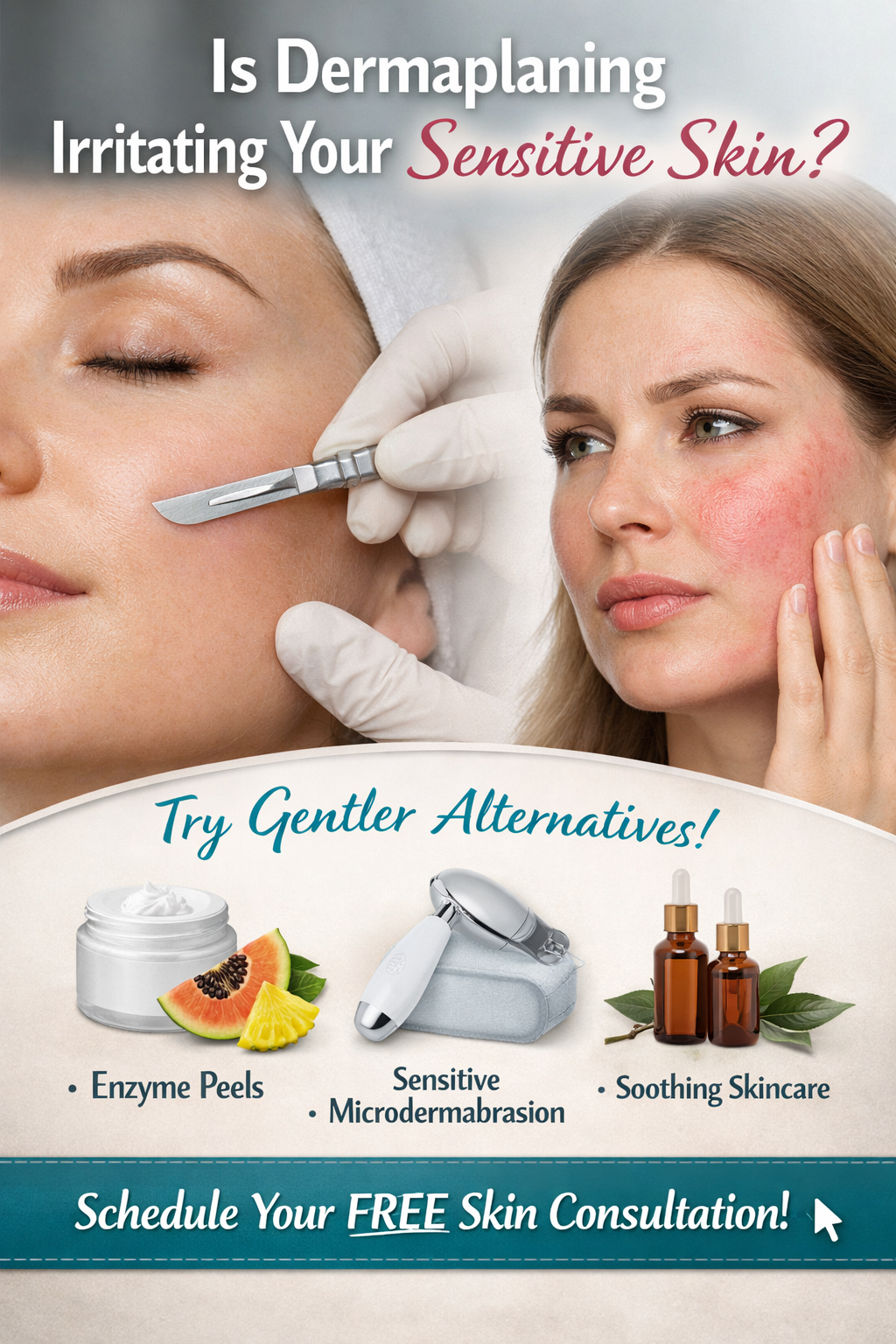
Dermaplaning Isn’t Ideal for Sensitive Skin (And What Works Better)
Dermaplaning can leave skin smooth, but for people with sensitive or reactive skin it may increase redness, irritation, and inflammation. Learn why dermaplaning isn’t always the best choice and discover gentler professional treatments that support a healthy skin barrier.
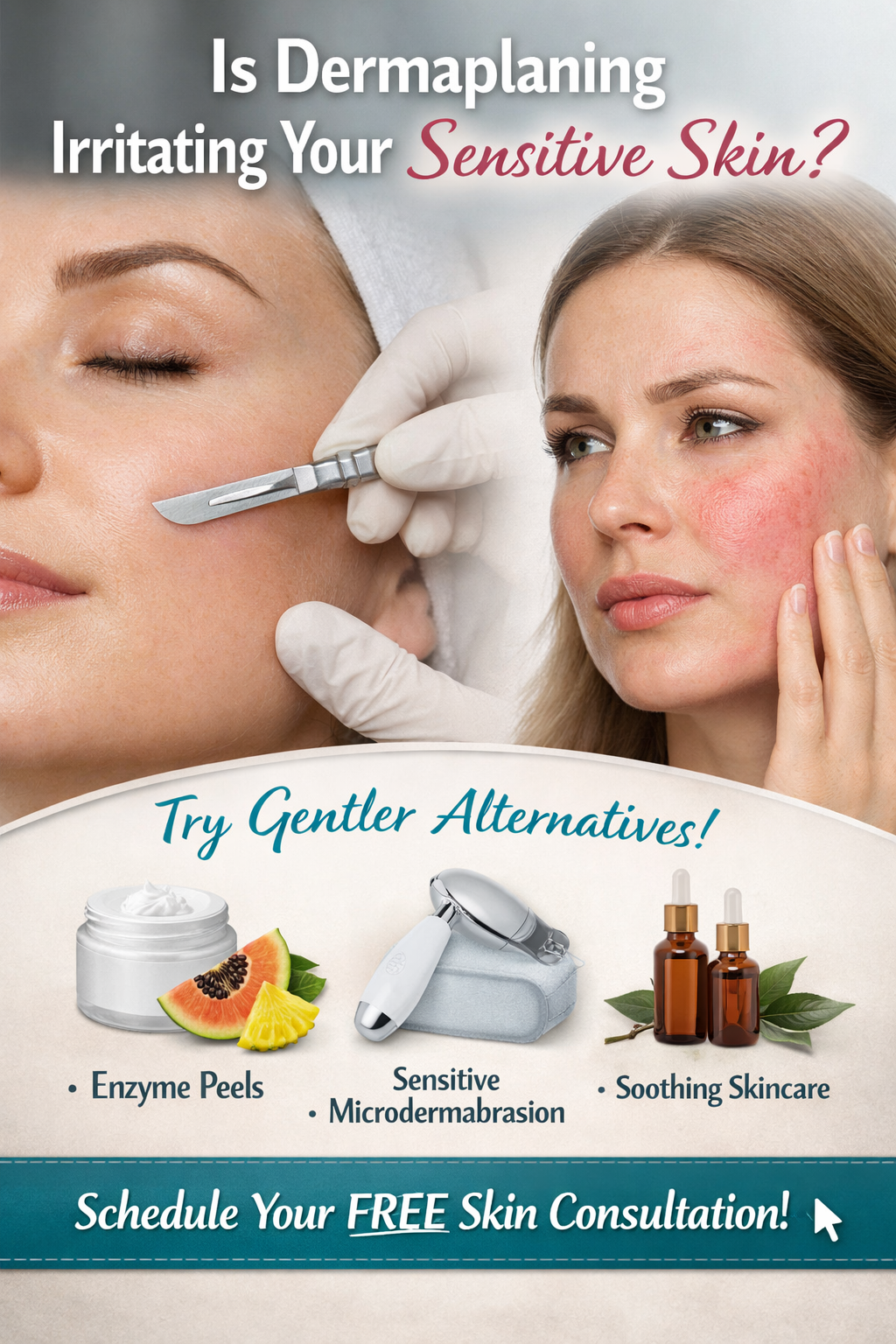
Why Dermaplaning Isn’t Always the Best Choice for Sensitive Skin
Dermaplaning is a popular exfoliation treatment that uses a sterile blade to remove dead skin cells and fine facial hair. While many people love the smooth glow it creates, it isn’t always the right treatment for people with sensitive or reactive skin.
Sensitive skin often has a weakened barrier and a higher tendency toward inflammation. Because dermaplaning is a mechanical exfoliation method, the scraping motion can sometimes trigger redness, irritation, or flare-ups in conditions like Rosacea or Eczema.
Another concern is that dermaplaning temporarily removes part of the skin’s protective outer layer. In resilient skin this can stimulate renewal, but in sensitive skin it can increase water loss and allow irritants to penetrate more easily.
The good news is that sensitive skin can still benefit from professional exfoliation. Gentler treatments such as enzyme resurfacing, microdermabrasion designed for sensitive skin and antioxidant-rich skincare can encourage healthy skin turnover while protecting the barrier.
At J Renee Esthetics, every treatment begins with understanding your unique skin type. Choosing the right exfoliation method can make the difference between irritation and truly glowing skin.
Not sure what treatment is best for your skin?
Schedule a free skin consultation and personalized treatment plan at JReneeOrganics.com and discover the safest way to achieve radiant, healthy skin.
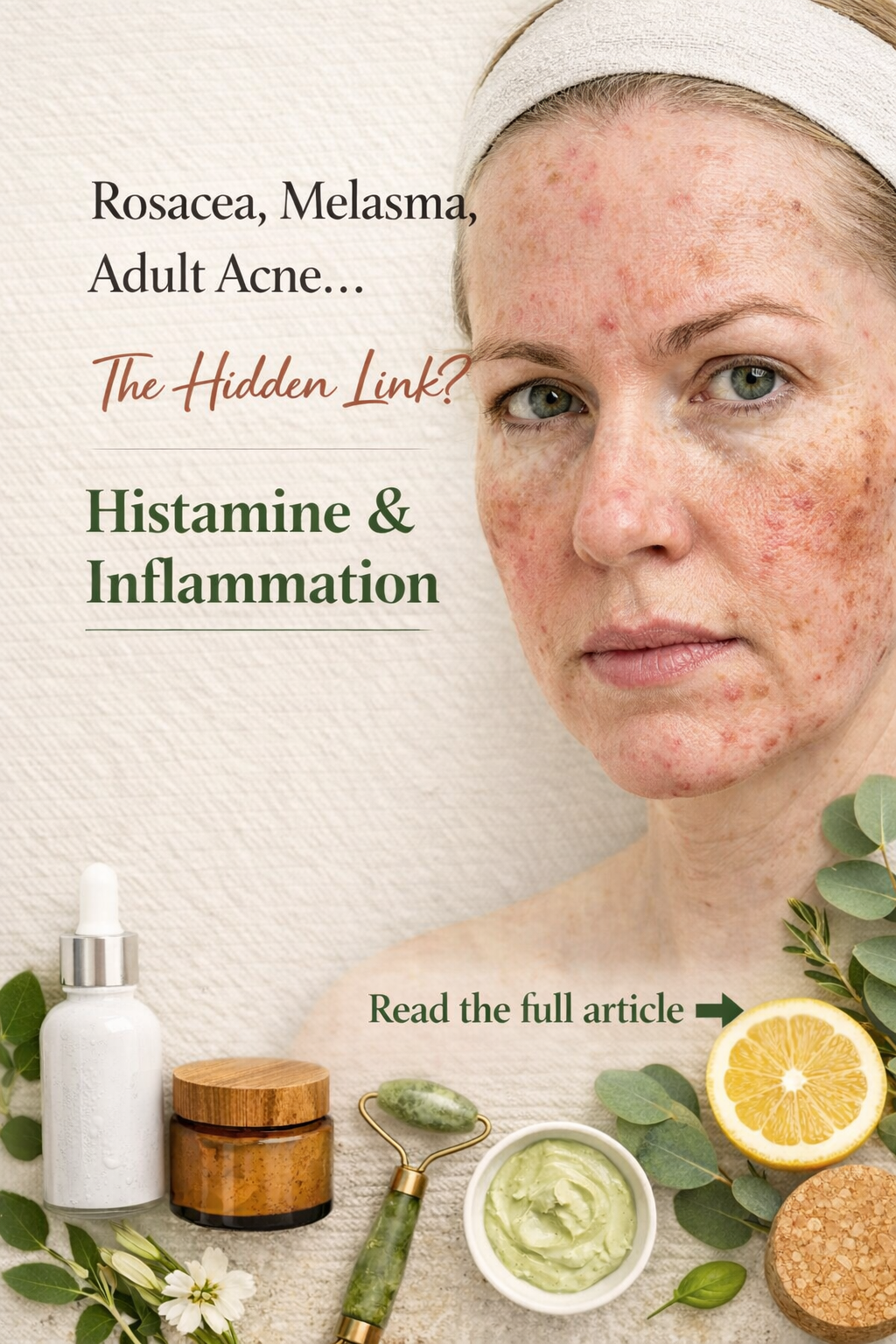
The Hidden Link Between Histamine, Rosacea, Melasma & Adult Acne
✨ You can’t exfoliate inflamed skin into health. You have to calm it.
Rosacea, melasma, and adult acne in Kennesaw, GA are often driven by inflammation and histamine imbalance — not just clogged pores or sun damage. At J Renee Esthetics in Kennesaw, we specialize in gentle organic facials, microdermabrasion, and microneedling designed to calm redness, reduce pigmentation, and support sensitive, reactive skin naturally.
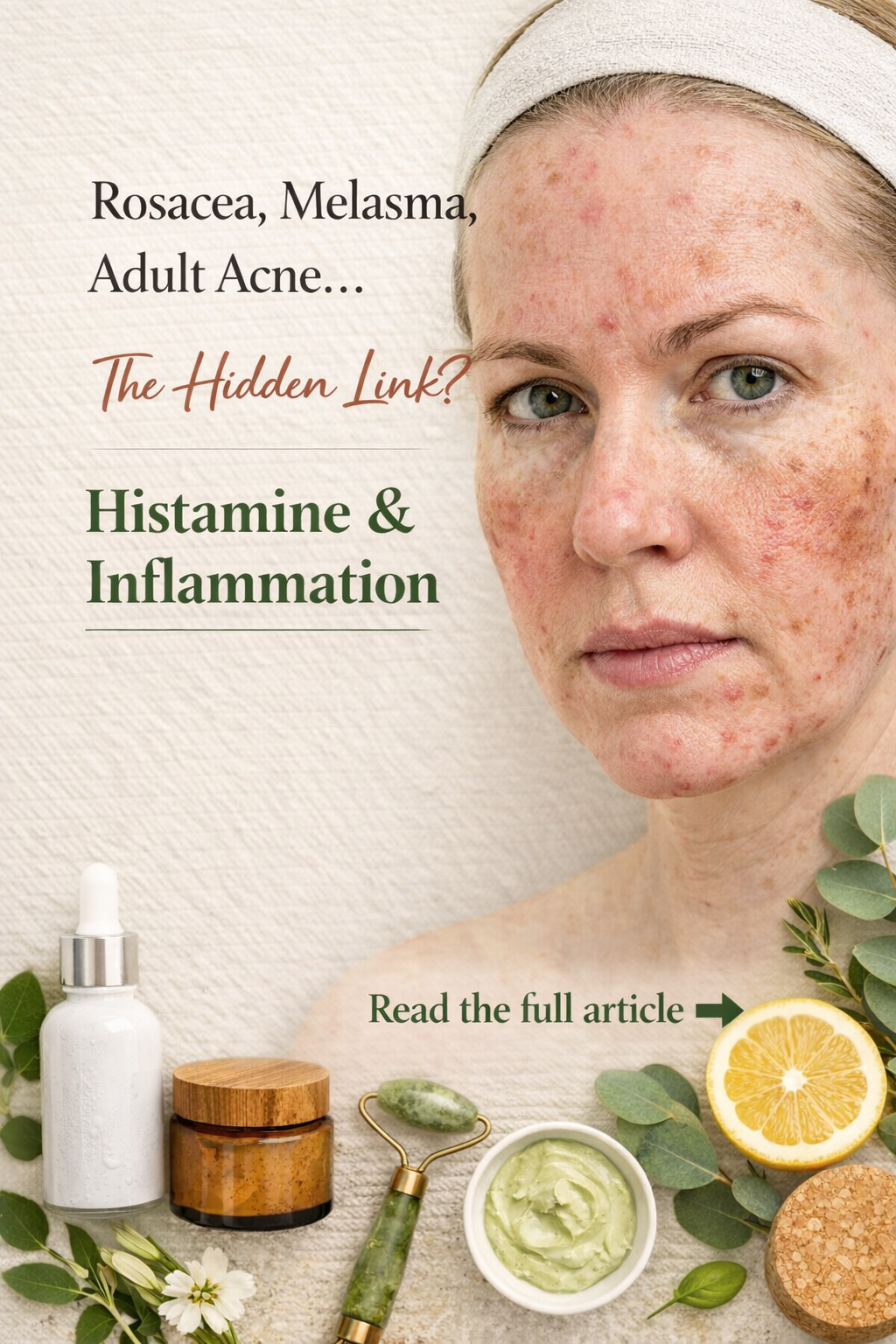
If your skin flushes easily, breaks out along the jawline, or develops stubborn pigmentation that won’t fade — the root issue may not be “bad skin.”
It may be inflammation driven by histamine.
Histamine is a natural immune chemical that expands blood vessels and increases inflammatory signaling. In excess, it can overstimulate the skin — leading to redness, pigment production, oil imbalance, and sensitivity.
How Histamine Affects the Skin
Rosacea:
Histamine triggers flushing and dilates blood vessels. Studies show elevated mast cells (histamine-releasing cells) in rosacea-prone skin, contributing to persistent redness and reactivity.
Melasma:
Inflammation stimulates melanocytes (pigment cells). Research indicates mast cell activity and inflammatory signals increase pigment production — which is why heat and irritation worsen melasma.
Adult Acne:
Histamine increases oil production and inflammatory response. When combined with hormonal shifts and gut stress, it can contribute to cystic, jawline breakouts and reactive skin.
This means you cannot exfoliate or “strip” inflammatory skin into health.
You must calm it.
How to Support Inflammatory Skin
1. Reduce Internal Triggers
Temporarily lowering high-histamine foods (like alcohol, aged foods, and leftovers) while increasing fresh, antioxidant-rich produce can help reduce systemic inflammation.
2. Focus on Gentle, Barrier-Supportive Treatments
Inflamed skin responds best to calming facials, light corrective treatments, and gradual stimulation — not aggressive peels during active flares.
3. Use Antioxidant-Rich, Organic Skincare
Antioxidants help neutralize free radicals, reduce oxidative stress, and calm inflammatory pathways. Clean, intentional formulations support the skin barrier instead of provoking it.
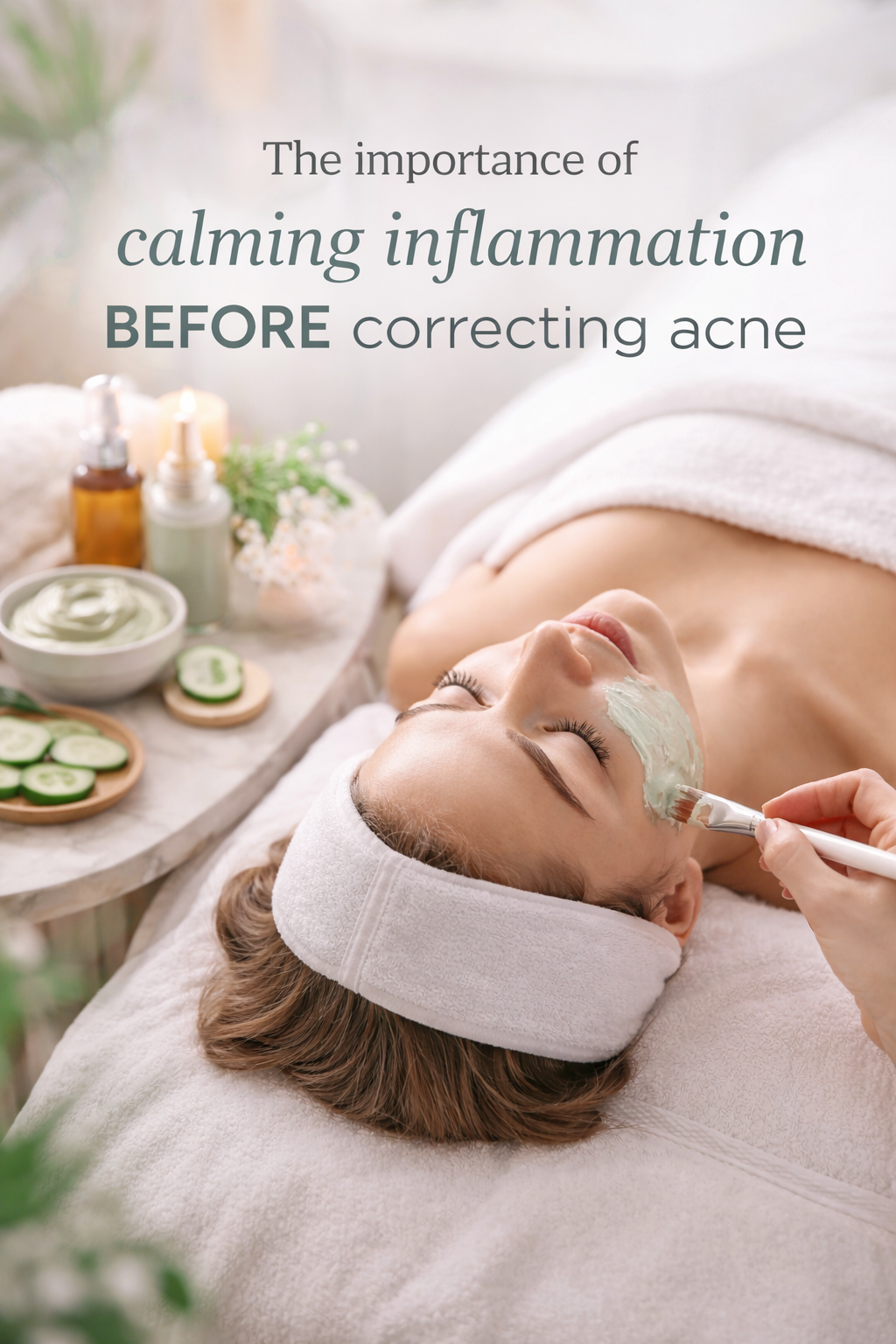
Why Inflammation Must Be Treated First When Correcting Acne
Acne isn’t just a surface issue — it’s an inflammatory condition. Before aggressively exfoliating or extracting, the skin must first be calmed and supported. When inflammation is high, oil production increases, healing slows, and breakouts become more reactive and persistent.
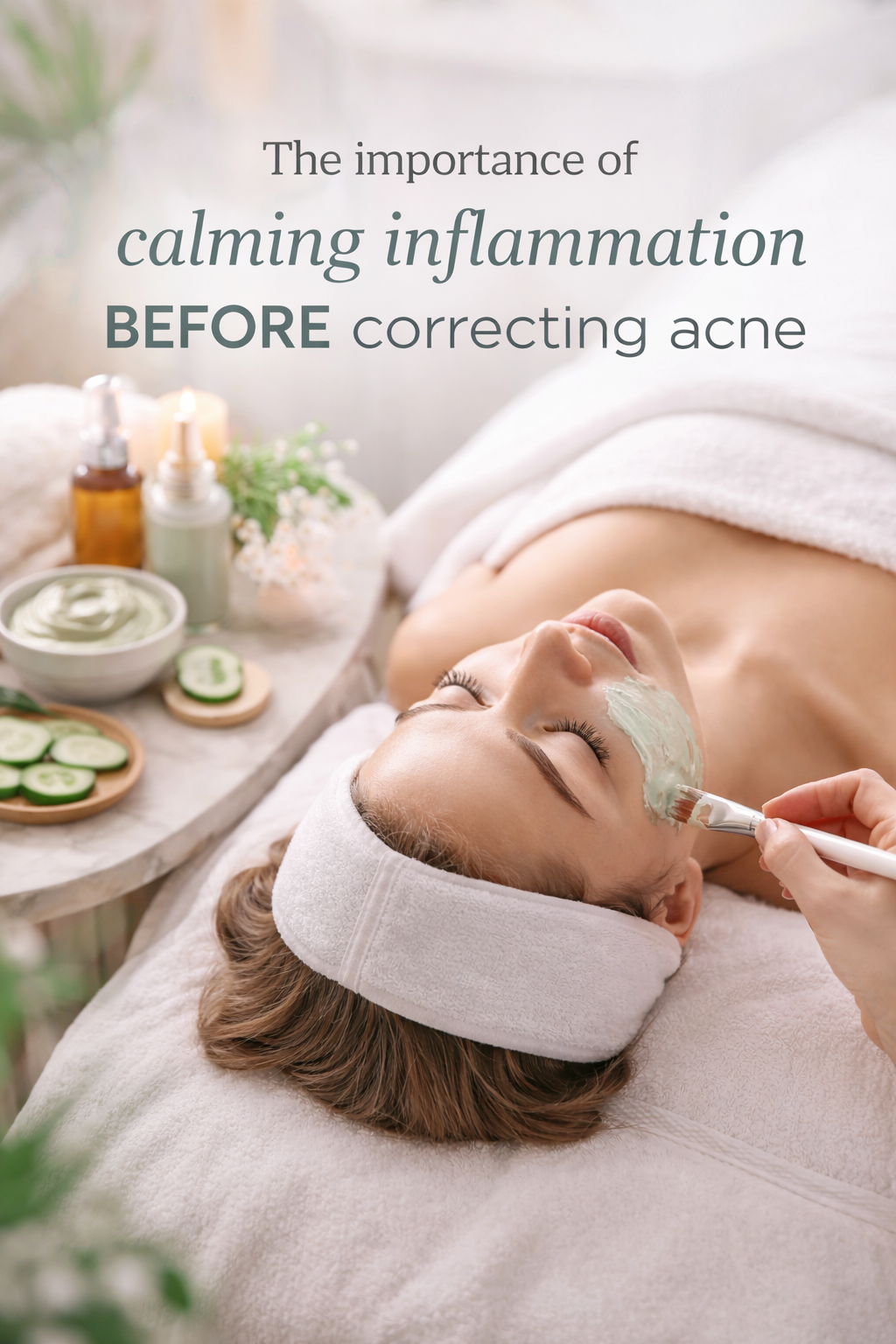
Acne isn’t just clogged pores. It’s inflammation.
Behind every pustule, cyst, and painful breakout is an inflammatory response happening deep within the skin. If we focus only on exfoliating, extracting, or “drying it out,” we often make acne worse — because untreated inflammation keeps the cycle going.
What Inflammation Does to Acne-Prone Skin
When skin is inflamed:
Oil glands become overactive
Pores swell and trap debris
Healing slows down
Post-inflammatory hyperpigmentation (dark marks) lingers longer
The skin barrier weakens, making breakouts more reactive
This is why aggressive treatments can backfire. Over-stripping the skin increases redness, sensitivity, and oil production — creating the perfect environment for more breakouts.
Why We Calm Before Correcting
In the treatment room, inflammation should be addressed before and during acne correction. That means:
✔ Strengthening the skin barrier
✔ Reducing internal and surface inflammation
✔ Using calming botanicals and non-irritating actives
✔ Supporting healing before heavy exfoliation
Once inflammation is controlled, extractions are safer, exfoliation is more effective, and results become more consistent.
The Smart Approach to Acne, J Renee Acne Treatment:
Acne correction works best when we:
Calm the skin
Balance oil production
Support the microbiome
Then strategically exfoliate and resurface
When inflammation decreases, breakouts heal faster, redness fades quicker, and long-term scarring risk drops.
Healthy skin isn’t about attacking acne — it’s about restoring balance. And balance always starts with calming inflammation.
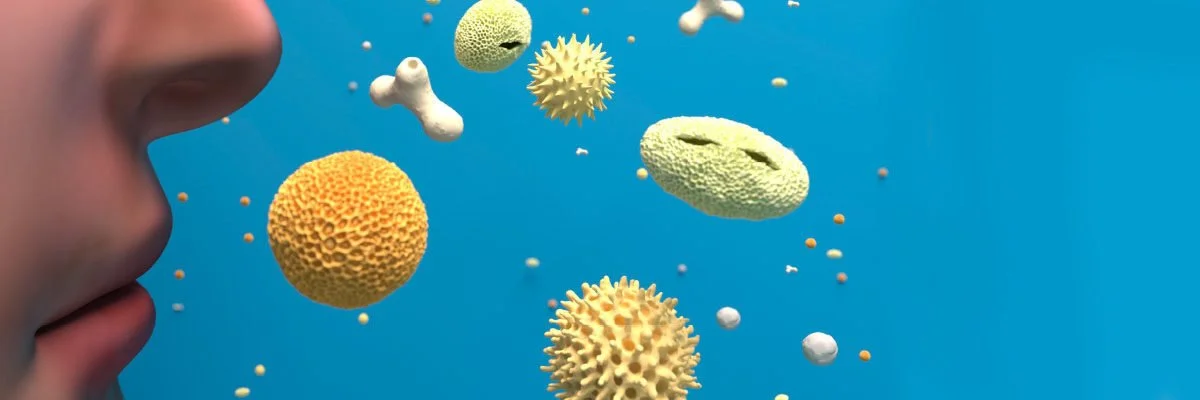
Allergies, histamine & skin.
Learn what to avoid to help dry and inflamed, allergic skin during the

Pollen counts this year are OUT OF CONTROL! Historical highs in pollen are leading people to severe seasonal allergies, sleep issues because of it and skin problems.
People who experience seasonal allergies tend to experience dry, itchy, irritated skin. Also, histamine naturally stimulates oil production in the skin, so when you take antihistamines, it can dry the skin out. Combat dry skin with the proper lotion for you and your allergic condition.
When histamine is released in the body, the skin tells a story of the internal battle: it gets itchy, irritated and inflamed. If you already have skin issues like acne, rosacea, eczema or dermatitis, it could make those conditions worse when pollen counts are high.
Natural antihistamines are easier on the skin and the body and can provide relief from allergy symptoms as well as skin issues. Quercetin is a natural antihistamine that is found in apples, onions and berries. There are also quercetin supplements sold that can be taken daily.
During the height of spring and pollen counts, it’s helpful to avoid high-histamine foods so your body isn’t overwhelmed with reactions, making you feel and look worse. High histamine food consists of anything “old” or “aged”. Skip the left-overs, avoid aged, smoked, preserved, “sour” or picked food. Seafood is often the worst for histamine counts. Some fruits and veggies are also high in histamine, those include avocado, banana, tomatoes and worst of all: citrus fruits. Eating fresh meat, fresh veggies and fruit (accept the ones listed above) will help with your allergy battle.
As for your irritated, allergic skin, switching to a calming skincare regimen during spring that’s more moisturizing may help with redness and dry skin issues during high pollen times. For more information, schedule a free skin consult today to find your answers.
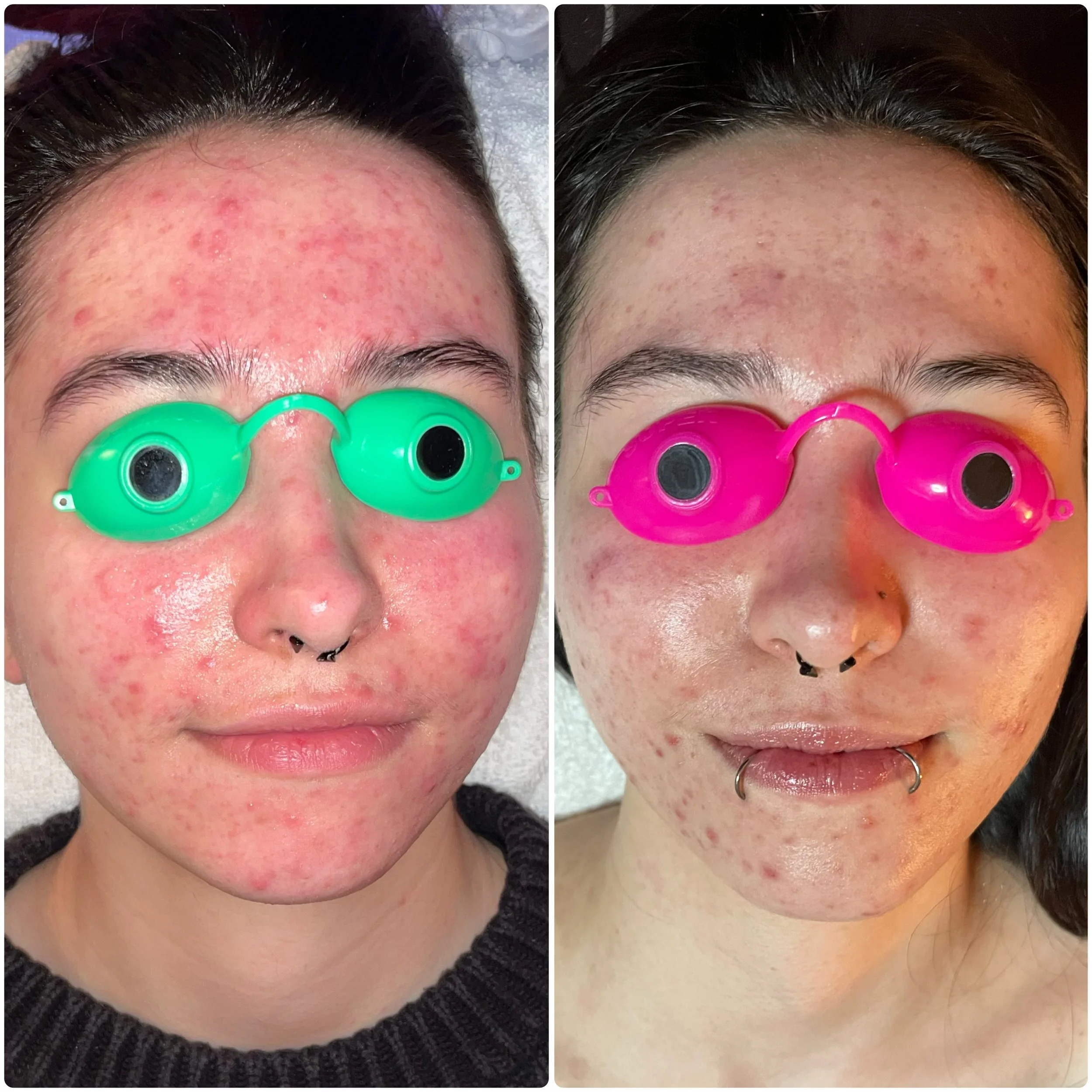
Natural Acne Solutions
Natural acne solutions in-office and at home. Help your skin fix itself by fixing the environment it lives in.
Acne management doesn’t have to be painful, flakey or drug induced. We destroy acne with organic products and machines that target clogged and infected pores, inflammation and bacteria to restore the natural balance of your skin barrier.
The skin is very resilient! With our help, the acne will slow and eventually stop mass breakouts. We then attack the scarring and texture to make your skin smooth and healthfully glow.
Schedule your custom facial today.
470-522-0906
This client is still on her acne journey. She has had 5 mini-facials and uses our organic skincare products twice per day. She’s had acne for years and in a couple short months, her skin is already looking much clearer. Next we start microderm to further clean pores and clear scarring.

