
J Renee Organics Skin and Beauty Blog:
Skin Advice for a Natural, Healthy, Glowing Complexion
Blog Search:
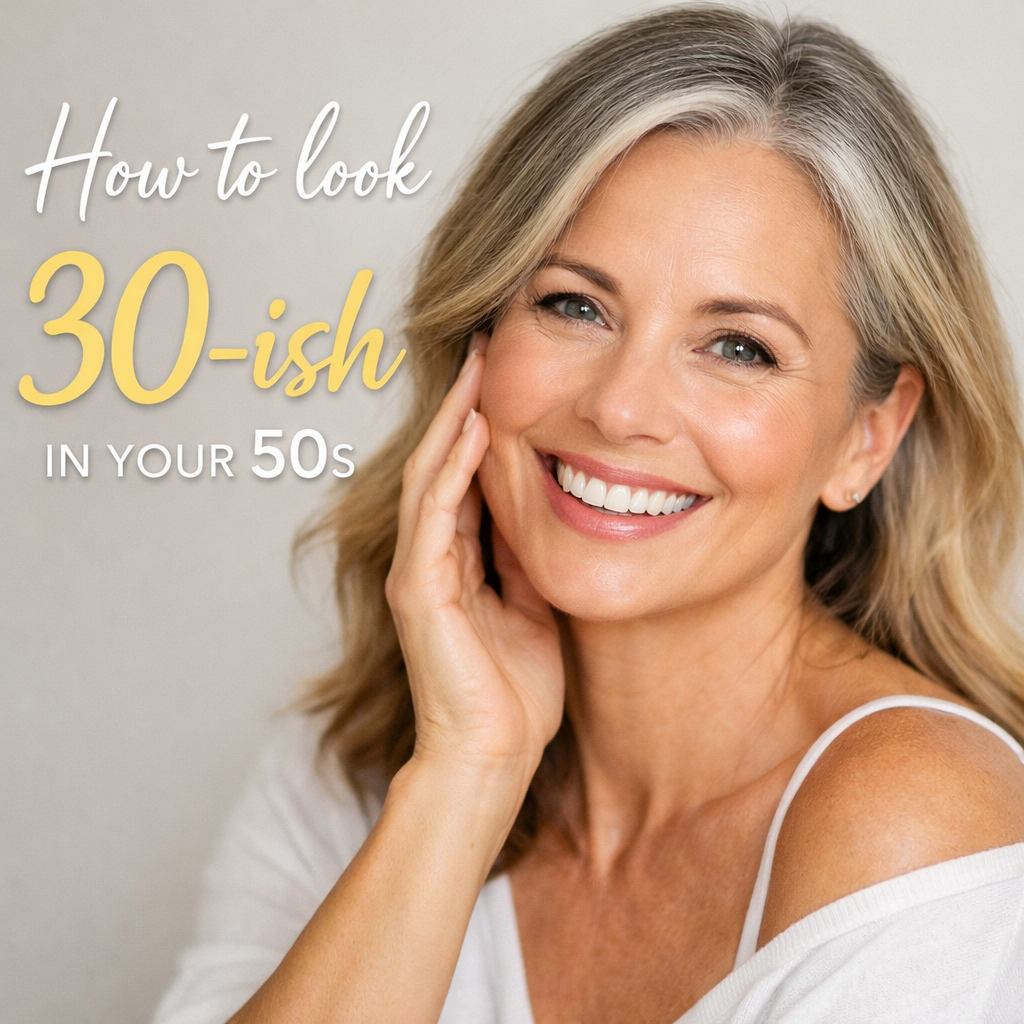
How to Look 30 When You’re Creeping Up on 50 (without injectables!)
Aging skin doesn’t need more products—it needs the right strategy. As you approach your 50s, collagen slows, cell turnover declines, and hydration becomes harder to maintain. The result? Skin that looks dull, lined, and less firm. The key to looking “30-ish” again is stimulating collagen, gently resurfacing the skin, restoring hydration, and calming inflammation. When you support your skin at this level, it doesn’t just age—it transforms.
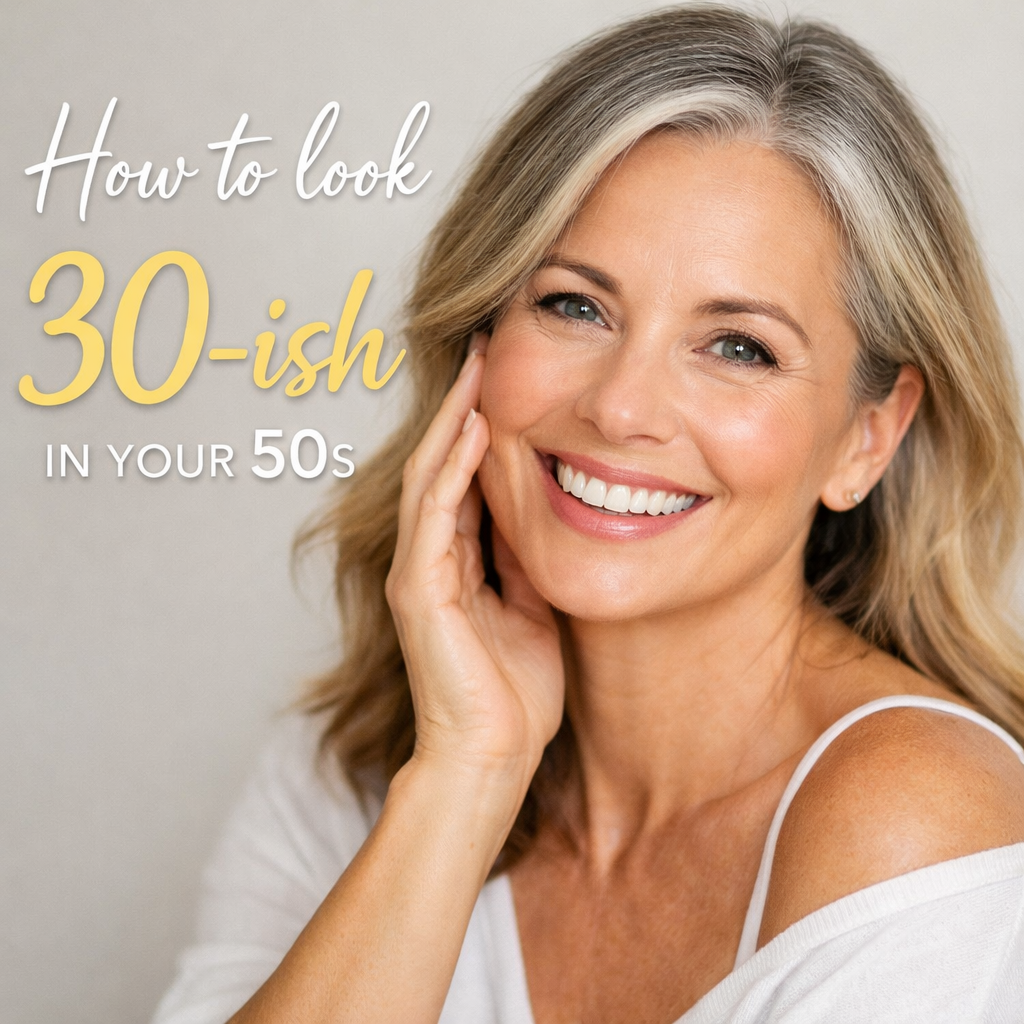
Aging is inevitable—but looking your age? That’s optional.
The biggest shift that happens as we approach 50 isn’t just wrinkles. It’s slower cell turnover, collagen loss, dehydration and increased sensitivity. The good news: when you address these at the root, your skin can look dramatically younger—often closer to how it looked in your 30s.
At J Renee Esthetics, the approach isn’t about quick fixes. It’s about strategic skin renewal that rebuilds healthy, resilient skin over time.
What Actually Works
1. Stimulate Collagen (Not Just the Surface)
Treatments like microneedling trigger your skin to rebuild itself from within. This softens fine lines, firms the skin, and restores that youthful “bounce” that fades with age.
2. Gentle, Consistent Exfoliation
As we age, dead skin builds up faster—leading to dullness and uneven texture. Treatments like enzyme peels and microdermabrasion remove that barrier without inflaming sensitive skin, instantly revealing smoother, brighter skin.
3. Deep Hydration + Barrier Repair
Mature skin isn’t just dry—it struggles to hold moisture. Organic, nutrient-dense skincare (like J Renee Organics) helps repair the skin barrier so hydration actually stays where it belongs.
4. Calm Inflammation (The Hidden Ager)
Chronic inflammation accelerates aging more than almost anything else. Targeted facials and LED light therapy help calm the skin, reduce redness and support long-term skin health.
What to Expect
With the right treatments and home care, clients often notice:
Brighter, more even skin within days
Softer lines and improved texture within weeks
Firmer, more youthful skin over a series of treatments
This isn’t about chasing perfection—it’s about restoring your skin to its healthiest, most vibrant state.
The Bottom Line
Looking 30 at 50 isn’t about doing more—it’s about doing what actually works for your skin.
When you combine professional treatments with the right at-home care, your skin doesn’t just age better—it can look years younger than expected.
Ready to reset your skin?
Schedule your personalized treatment plan at JReneeOrganics.com or call 470-522-0906. Your best skin isn’t behind you—it’s just getting started.
The Hidden Hormone Reason Treatments Hurt More
Hormonal changes during menstruation and menopause can increase pain sensitivity and make skin treatments like waxing and microneedling more uncomfortable. Learn why pain is higher during these stages and how to reduce discomfort for better skincare results.
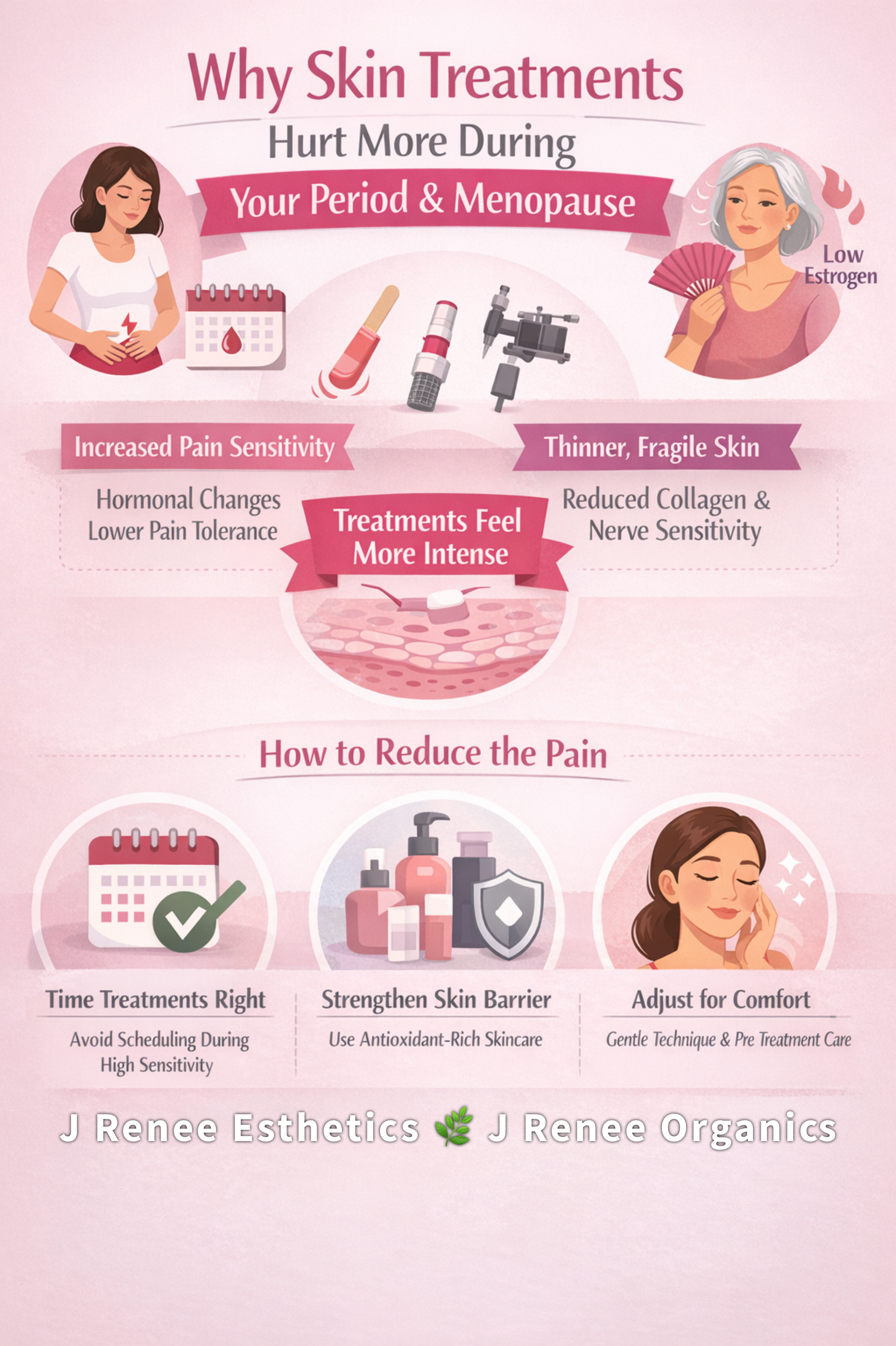
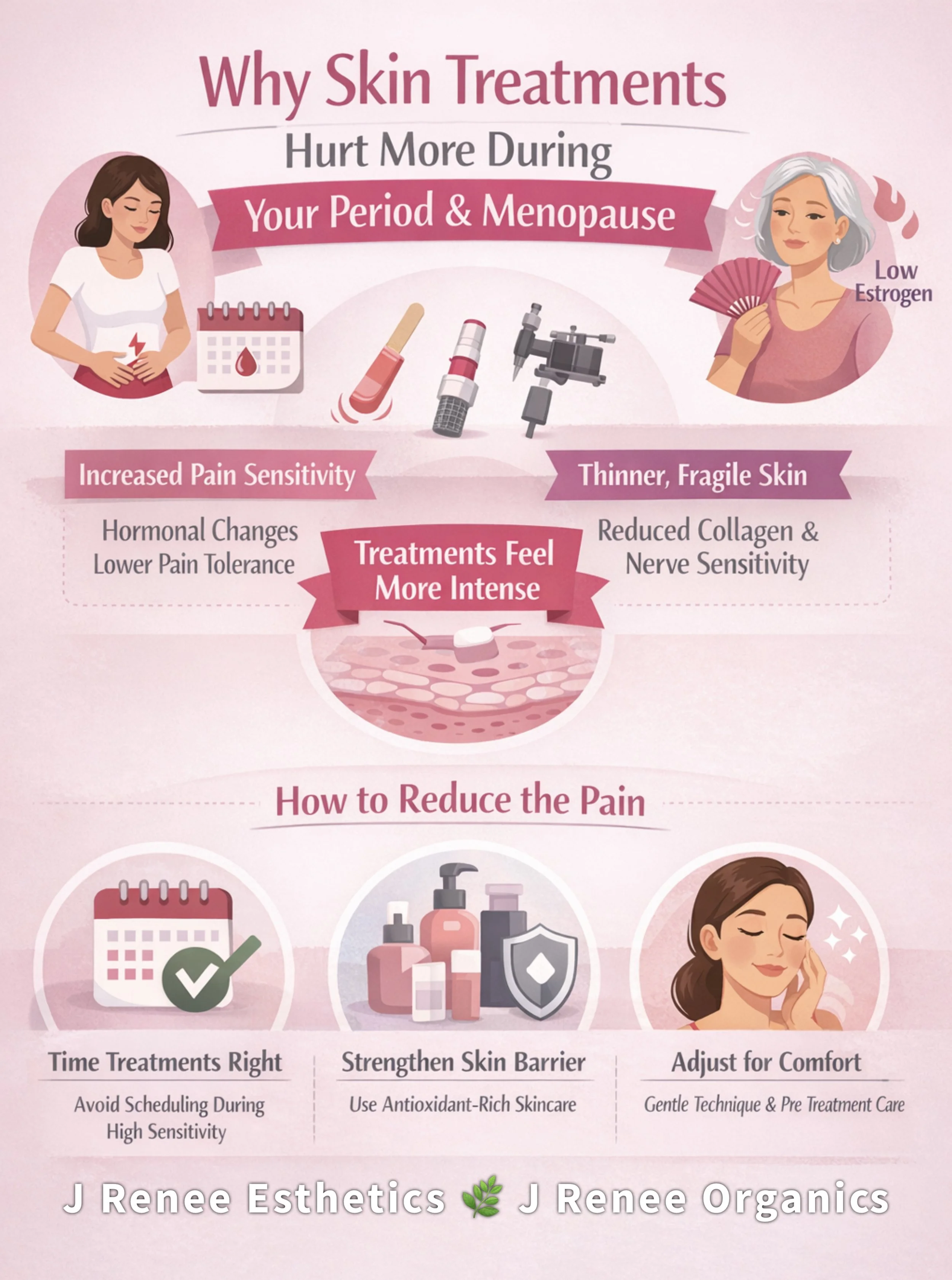
If you’ve ever felt like waxing, microneedling or other skin treatments suddenly hurt more than usual, your hormones may be the reason. Research shows that pain sensitivity increases during both menstruation and menopause due to hormonal changes that affect the nervous system and the skin itself.
Understanding these changes can help you schedule treatments more strategically — and make them far more comfortable.
Why Pain Is Worse During Your Period
Studies published in the journal Pain show that women experience lower pain thresholds during menstruation. When estrogen levels drop at the start of the menstrual cycle, the nervous system becomes more sensitive to pain signals.
This means procedures like waxing, microneedling, tattoos or laser treatments can feel significantly more uncomfortable during your period.
Why Pain Can Also Increase During Menopause
Menopause brings a longer-term drop in estrogen. Estrogen helps regulate inflammation, nerve sensitivity and skin thickness. As levels decline, several changes occur:
Skin becomes thinner
Collagen levels decrease
Nerve endings sit closer to the surface
Skin becomes more reactive
These factors can make pain-inducing treatments feel stronger than they did earlier in life.
How to Make Treatments More Comfortable
Fortunately, there are several ways to reduce discomfort:
Time treatments strategically: Avoid scheduling waxing, microneedling, or other painful procedures during your period when pain sensitivity is highest.
Strengthen the skin barrier: Using antioxidant-rich, barrier-supportive skincare helps skin tolerate treatments better. J Renee Organics are PACKED full of antioxidants.
Reduce inflammation beforehand: Hydrating and calming the skin prior to treatments can significantly reduce discomfort.
Adjust treatment intensity: Experienced estheticians can modify depth, pressure or technique for more sensitive skin.
The Bottom Line
Hormones influence far more than mood — they also affect how your body processes pain and how your skin responds to treatments.
Avoid scheduling pain-inducing procedures during your period and if you are menopausal, focus on skin preparation, barrier support and professional treatment adjustments to keep treatments comfortable and effective.
Your skin — and your nerves — will thank you.