
J Renee Organics Skin and Beauty Blog:
Skin Advice for a Natural, Healthy, Glowing Complexion
Blog Search:
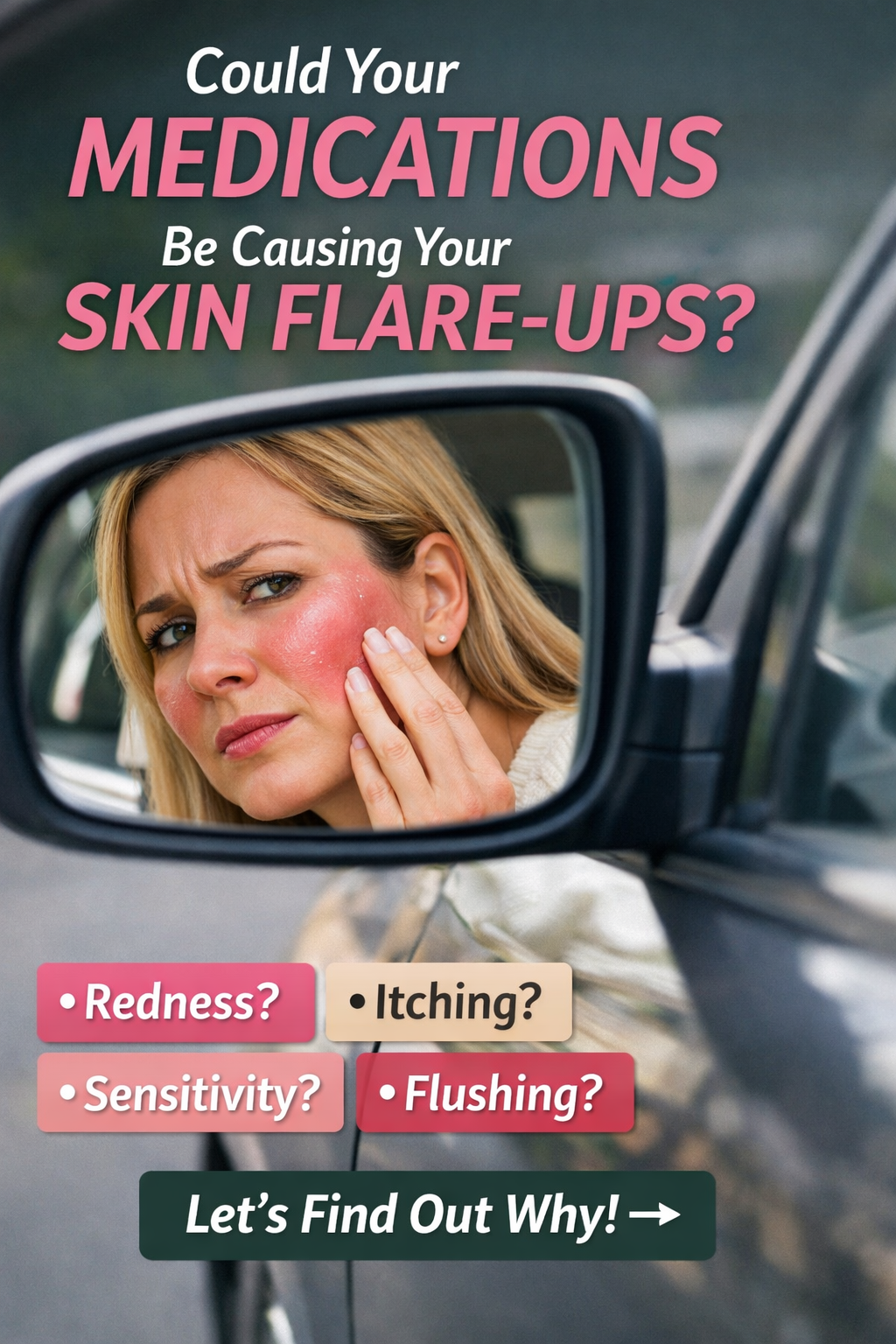
💊 The Hidden Skin Triggers in Your Medicine Cabinet
Struggling with sensitive or reactive skin in Kennesaw? Learn how common OTC medications may be triggering redness, flushing, and irritation—and what you can do to calm your skin with expert help from J Renee Esthetics.
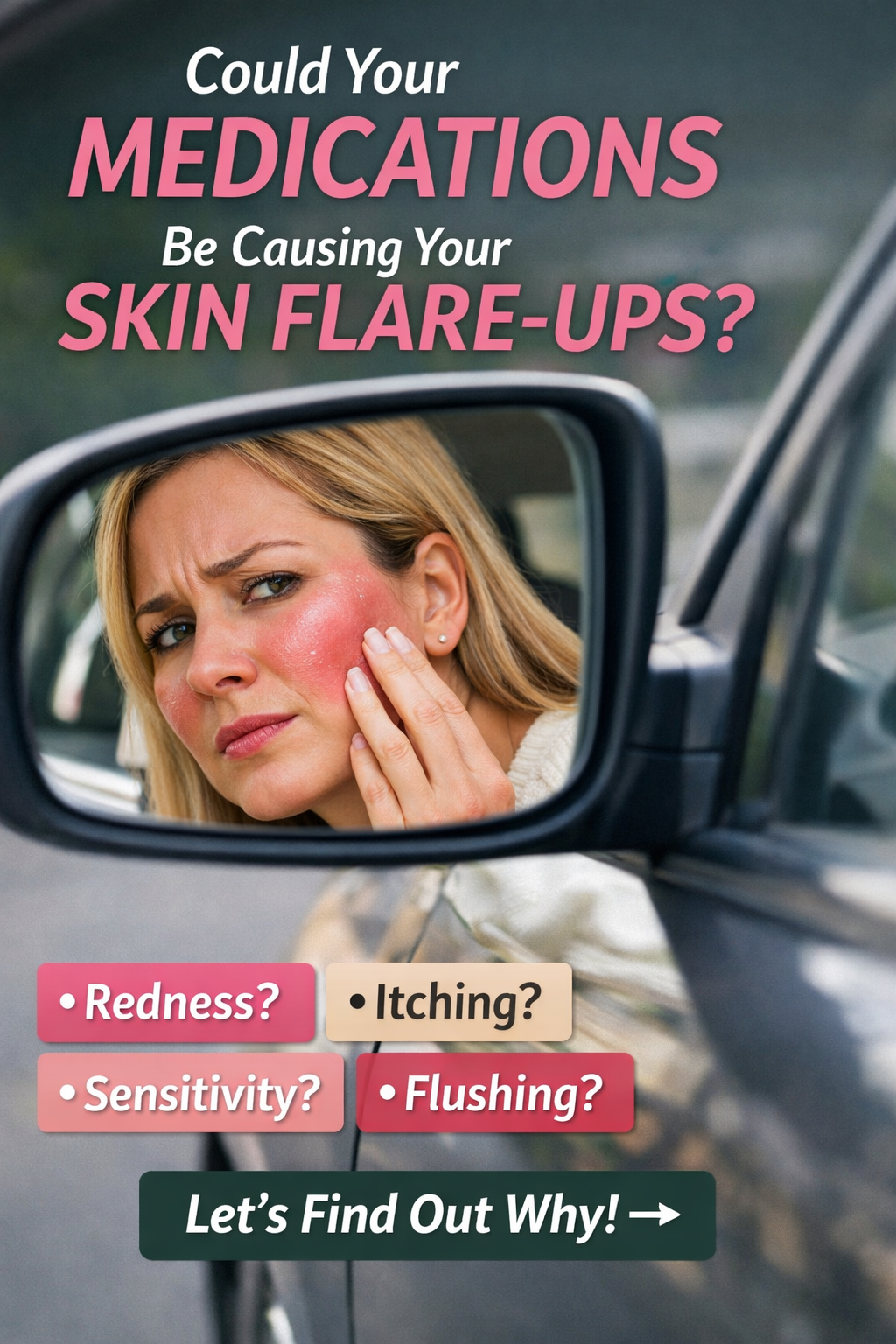
How Common OTC Medications Can Make Skin Reactive (And What You Can Do About It)
If your skin has suddenly become more sensitive, reactive, red or unpredictable—you might be looking at your skincare…
…but the real culprit could be sitting in your medicine cabinet.
Many common over-the-counter (OTC) medications can quietly disrupt your skin barrier, increase inflammation or trigger histamine responses—especially if you already struggle with sensitive skin, rosacea, acne or chronic health issues.
Let’s break down what could be affecting your skin—and exactly what you can do about it.
1. Pain Relievers (NSAIDs)
Common examples:
What they can do to your skin:
Increase histamine release → redness, itching, hives
Trigger flushing (especially in rosacea clients)
Worsen mast cell activation symptoms
✔️ What you can do about it:
Track flares after taking these medications
Use only when necessary (not daily if avoidable)
Support your skin barrier with calming, anti-inflammatory products
Consider discussing alternatives with your doctor if reactions are frequent
2. Cold Medications & Decongestants
Common examples:
What they can do to your skin:
Constrict blood vessels → rebound redness and flushing
Increase dryness and dehydration
Make sensitive skin feel tighter and more reactive
✔️ What you can do about it:
Increase hydration (inside + topical) while using them
Avoid exfoliation or aggressive treatments during use
Focus on barrier-repair skincare (think soothing, nourishing, simple)
Add a humidifier if you’re taking these for several days
3. Antihistamines (The Double-Edged Sword)
Common examples:
What they can do to your skin:
Dry out the skin → compromised barrier
Lead to dull, tight, or flaky skin over time
Sometimes cause paradoxical sensitivity
✔️ What you can do about it:
Use hydrating, lipid-rich skincare (not just water-based)
Avoid over-cleansing and exfoliating
Pair with barrier-repair ingredients (ceramides, fatty acids, occlusives)
Work with your provider on the best antihistamine type for long-term use
4. Acne Treatments (Overuse = Sensitivity)
Common examples:
What they can do to your skin:
Strip the skin barrier
Cause redness, burning, peeling
Turn acne-prone skin into reactive skin
✔️ What you can do about it:
Use less often (not always daily!)
Alternate with barrier-repair days
Avoid layering multiple actives
Get professional guidance instead of guessing
5. Acid Reducers & Gut Medications
Common examples:
What they can do to your skin:
Alter the gut microbiome
Reduce nutrient absorption (like zinc + B12)
Increase inflammation showing up in the skin
✔️ What you can do about it:
Support your gut with a balanced, whole-food diet
Consider discussing nutrient levels with your provider
Incorporate antioxidant-rich skincare to offset inflammation
Focus on long-term skin healing, not quick fixes
The Big Picture: It’s Not Just Your Skincare
If your skin feels reactive, it’s often a combination of:
Barrier damage
Internal inflammation
Histamine response
Nervous system stress
And medications can influence all four.
✨ When to Get Extra Support
If you notice:
Random flushing
Burning or stinging from products you used to tolerate
Acne + sensitivity at the same time
Skin that won’t “calm down” no matter what you use
…it’s time to stop guessing. Text Shelly at J Renee Esthetics for some expert advice or to schedule a consultation or treatment. Call or text 470-522-0906

How Grief Shows Up on Your Skin (and How to Support It Gently)
If your skin suddenly looks dull, reactive, or broken out during a difficult season, you’re not imagining it. Grief impacts your skin more than you think—here’s how to support it with calming, restorative care.

Grief doesn’t just live in your heart—it shows up on your skin.
During periods of loss, your body shifts into a stress response, increasing cortisol levels and redirecting energy away from repair. The result? Skin that suddenly feels more sensitive, looks dull, breaks out or seems to age overnight.
You might notice:
Unexpected breakouts or congestion
Dry, irritated, or reactive skin
Fine lines, dehydration and a loss of glow
This isn’t your skin “failing”—it’s your body asking for support.
What Your Skin Needs During Grief
When your body is under emotional stress, less is more. This is the time to nurture your skin, not push it.
At Home with J Renee Organics
Focus on calming, restoring, and strengthening your skin barrier:
Gentle Cleansing
Remove buildup without stripping your skinHydration + Barrier Repair
Use nutrient-rich, antioxidant formulas to replenish what stress depletesEnzyme-Based Exfoliation (1–2x/week)
Support healthy turnover without irritationConsistency over intensity
Your skin heals best with steady, supportive care—not aggressive treatments
Your skin will respond faster to calm, nutrient-dense support than to harsh correction.
When You Need Extra Support
Sometimes your skin (and your nervous system) need more than at-home care.
At J Renee Esthetics, we take a restorative, results-driven approach—especially during times of stress and grief. Treatments are customized to calm inflammation, rebuild the skin barrier, and bring your skin back to balance.
Think:
Gentle corrective facials
Enzyme therapy + LED light support
Barrier-repair focused treatments
Microneedling (when your skin is ready)
If your skin feels off and you don’t know where to start, we’re here to help. Book a personalized treatment at J Renee Esthetics and let’s restore your skin—gently, intentionally and effectively.
👉 Schedule your appointment today
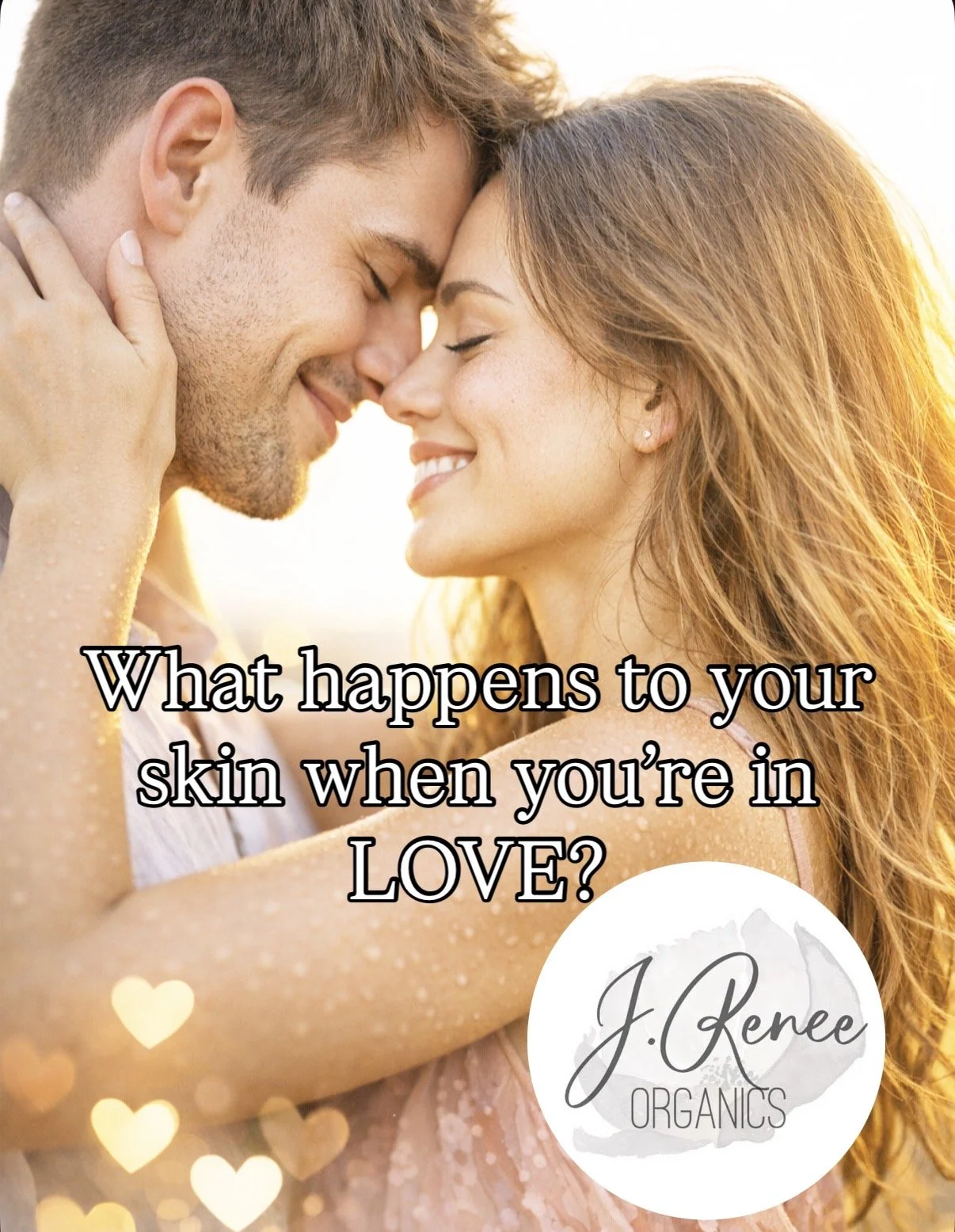
Love on the Surface: How Being in Love Shows Up on Your Skin
In Cobb County Georgia, love isn’t the only thing making you glow — your skin tells the story too. By supporting your skin’s barrier, boosting hydration, and calming inflammation, professional J Renee Esthetics treatments help maintain that healthy, love-struck luminosity year-round. Read more about love and how your skin reacts to it on our blog.
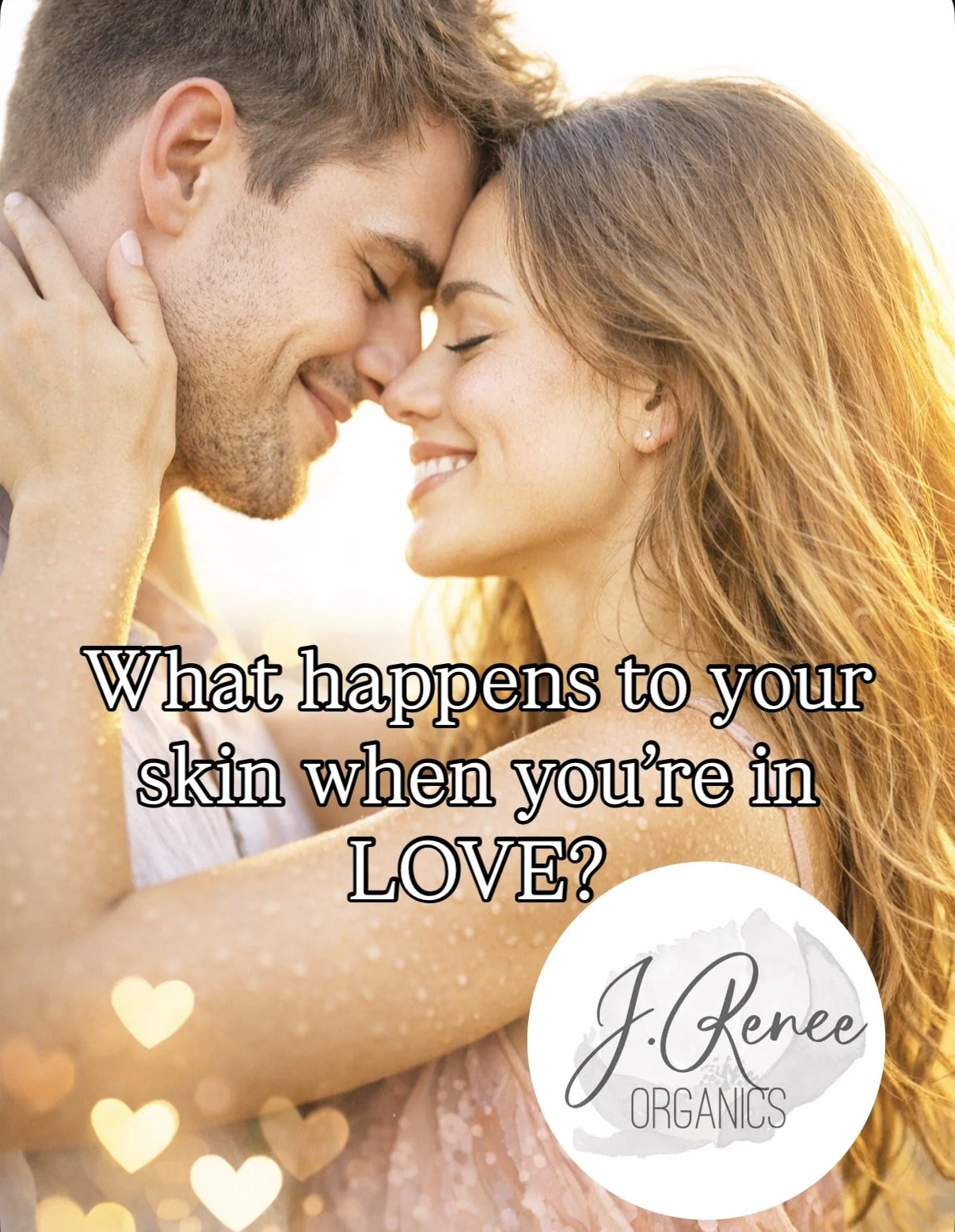
Love isn’t just a feeling in your heart — it’s a full-body experience. When you fall in love, your brain becomes a chemistry lab, releasing a powerful mix of hormones that don’t just affect your emotions… they show up on your skin.
When you’re around someone you’re deeply attracted to, your brain releases dopamine, the “reward” hormone. Dopamine creates feelings of pleasure, motivation, and that euphoric spark we often describe as butterflies. This surge increases blood flow, which can give your skin a subtle, natural glow.
Then there’s oxytocin, often called the “bonding hormone.” Released through touch, hugs, and emotional closeness, oxytocin reduces stress and lowers cortisol levels. When cortisol drops, inflammation in the body can decrease — and that may mean calmer, clearer-looking skin.
Adrenaline also enters the scene. Your heart beats faster, your palms may get sweaty, and tiny muscles attached to hair follicles contract — hello, goosebumps. Blood vessels dilate, which is why you might blush when you see someone you love. That rosy flush? It’s biology meeting emotion.
Even long-term love has benefits. Stable, supportive relationships are linked to lower chronic stress levels. Over time, that reduced stress can support skin repair, collagen preservation, and a more balanced complexion.
In short, love doesn’t just make you feel radiant — it can make you look radiant too. The glow isn’t only in your eyes. It’s written across your skin.
#happyvalentinesday #cobbcounty
Happy Earth Day!
Happy Earth Day! Shop sustainable. Shop organic! From J Renee Organics Skincare.
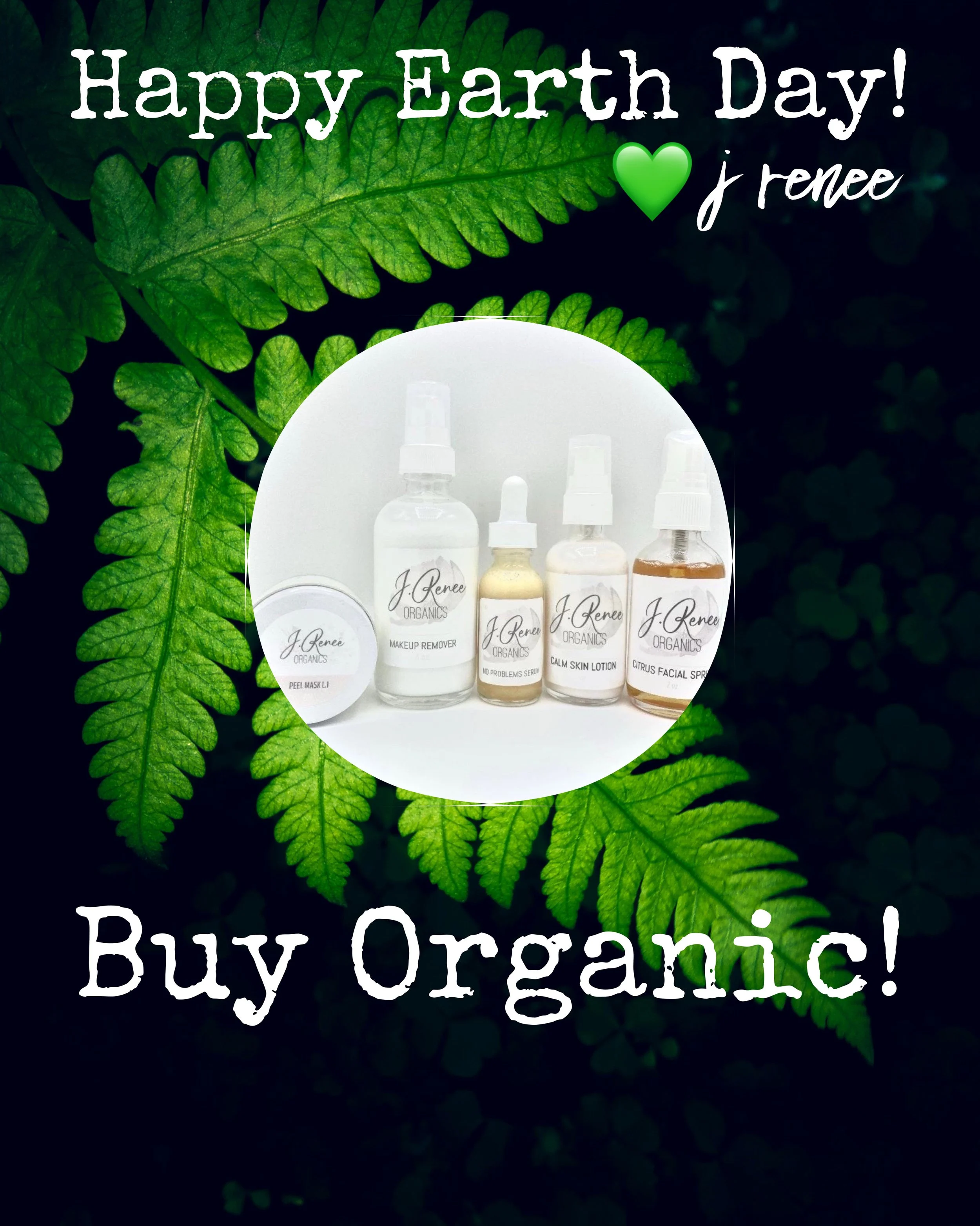
Buying organic is not only healthy for you and your skin, it puts less strain on our planet. All our products are made with sustainably farmed ingredients, no chemicals and they are bottled in glass. We use minimal, recyclable packaging and even ship using recyclable materials.
Allergies, histamine & skin.
Learn what to avoid to help dry and inflamed, allergic skin during the

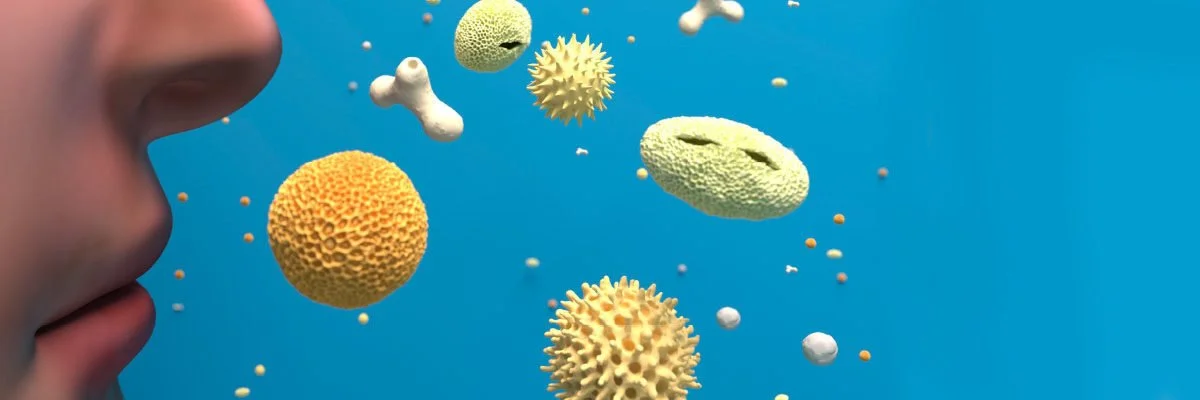
Pollen counts this year are OUT OF CONTROL! Historical highs in pollen are leading people to severe seasonal allergies, sleep issues because of it and skin problems.
People who experience seasonal allergies tend to experience dry, itchy, irritated skin. Also, histamine naturally stimulates oil production in the skin, so when you take antihistamines, it can dry the skin out. Combat dry skin with the proper lotion for you and your allergic condition.
When histamine is released in the body, the skin tells a story of the internal battle: it gets itchy, irritated and inflamed. If you already have skin issues like acne, rosacea, eczema or dermatitis, it could make those conditions worse when pollen counts are high.
Natural antihistamines are easier on the skin and the body and can provide relief from allergy symptoms as well as skin issues. Quercetin is a natural antihistamine that is found in apples, onions and berries. There are also quercetin supplements sold that can be taken daily.
During the height of spring and pollen counts, it’s helpful to avoid high-histamine foods so your body isn’t overwhelmed with reactions, making you feel and look worse. High histamine food consists of anything “old” or “aged”. Skip the left-overs, avoid aged, smoked, preserved, “sour” or picked food. Seafood is often the worst for histamine counts. Some fruits and veggies are also high in histamine, those include avocado, banana, tomatoes and worst of all: citrus fruits. Eating fresh meat, fresh veggies and fruit (accept the ones listed above) will help with your allergy battle.
As for your irritated, allergic skin, switching to a calming skincare regimen during spring that’s more moisturizing may help with redness and dry skin issues during high pollen times. For more information, schedule a free skin consult today to find your answers.
Natural Acne Solutions
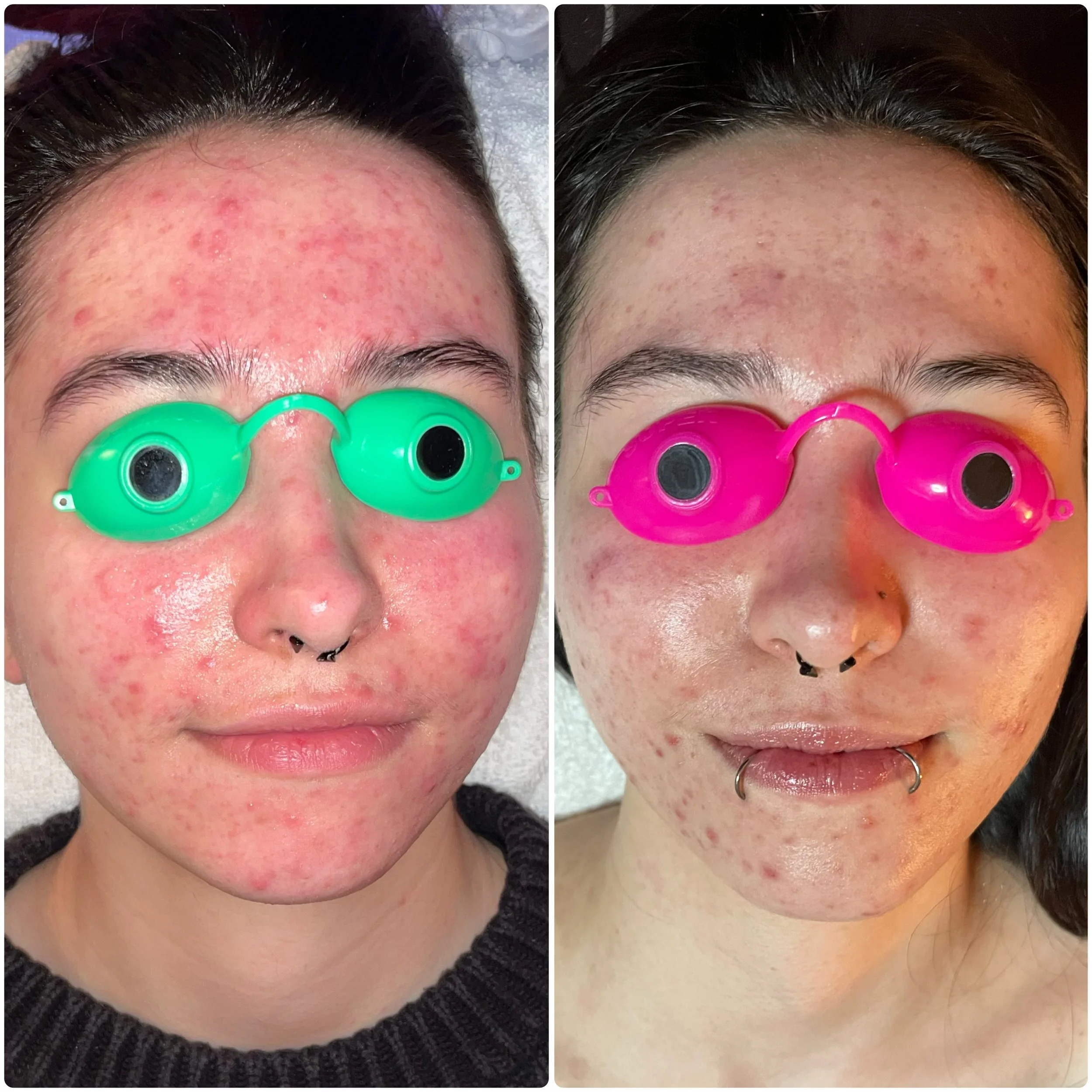
Natural acne solutions in-office and at home. Help your skin fix itself by fixing the environment it lives in.
Acne management doesn’t have to be painful, flakey or drug induced. We destroy acne with organic products and machines that target clogged and infected pores, inflammation and bacteria to restore the natural balance of your skin barrier.
The skin is very resilient! With our help, the acne will slow and eventually stop mass breakouts. We then attack the scarring and texture to make your skin smooth and healthfully glow.
Schedule your custom facial today.
470-522-0906
This client is still on her acne journey. She has had 5 mini-facials and uses our organic skincare products twice per day. She’s had acne for years and in a couple short months, her skin is already looking much clearer. Next we start microderm to further clean pores and clear scarring.


Importance of Knowing Your Skin Type
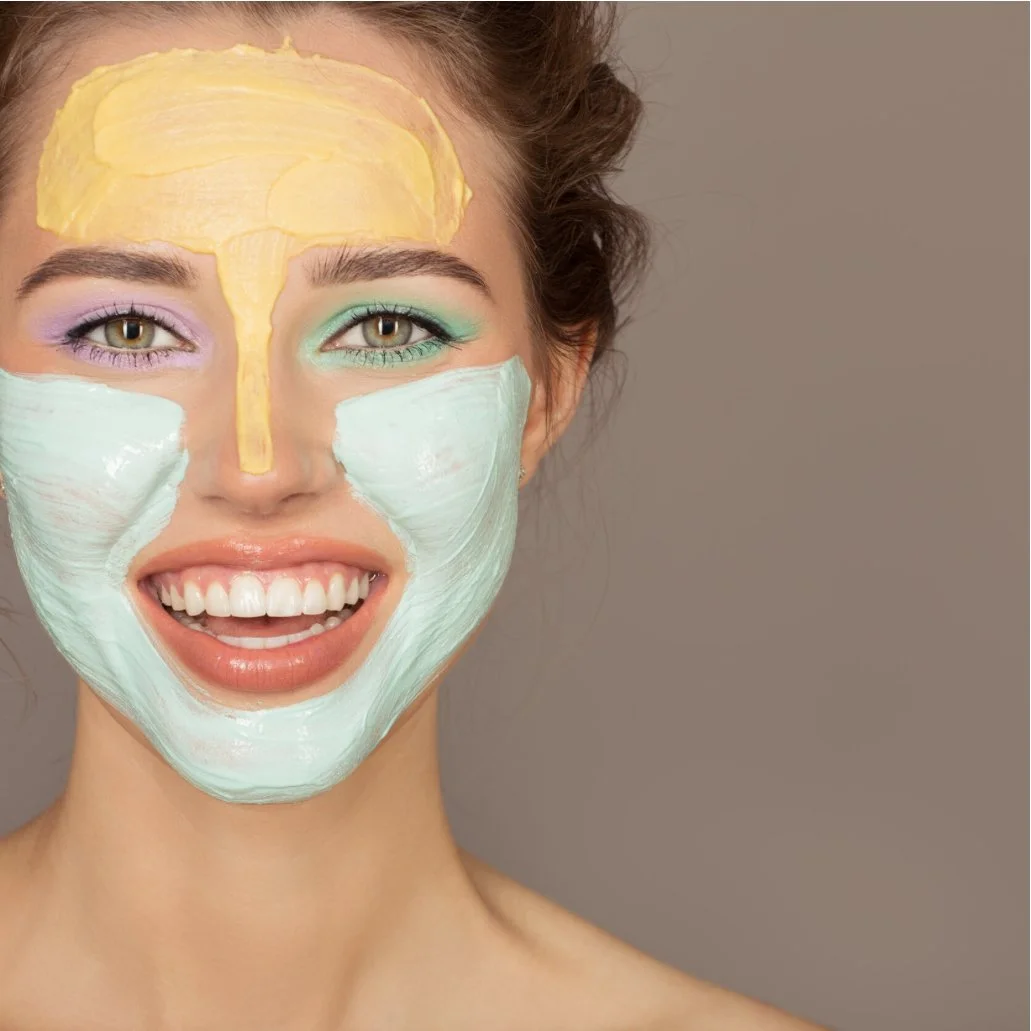
Knowing your skin type is essential to finding the right skin care routine that will address your skin issues and not cause more.
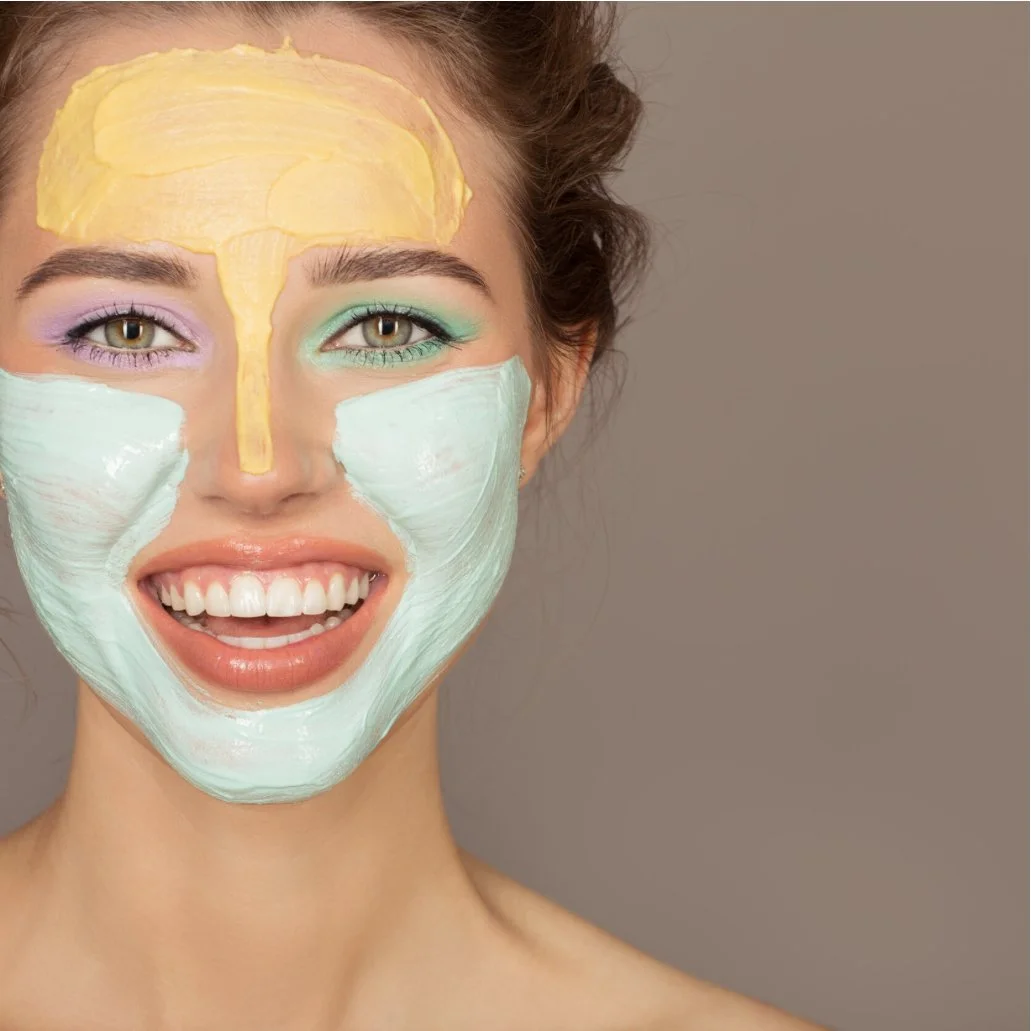
Knowing what products to use for your skin depends on knowing your skin type.
After answering a list of questions about your lifestyle, current routine and other things about you, you will be emailed with a personalized skin assessment and product suggestions (free samples) from a skincare pro. This is not an automated, canned answer; you receive a personalized plan specific to you and it’s all from the comfort of your own home.
Fill out our online questionnaire:
https://www.jreneeorganics.com/skintype-facialkits/p/whats-my-skin-type
Schedule an in-person skin assessment:
Medical Esthetics vs Daily Routine
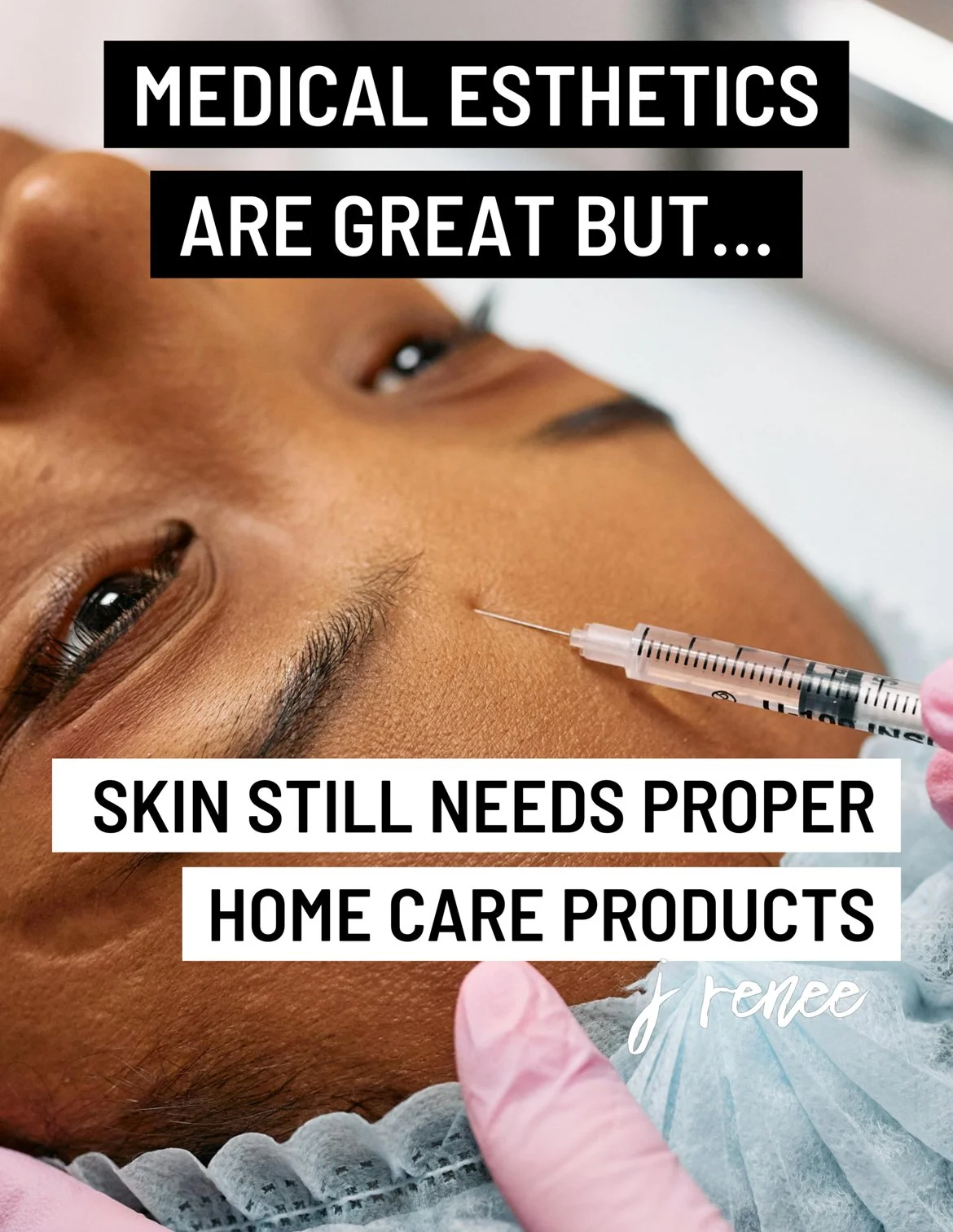
Medical esthetics vs daily skin care routine

Your DAILY SKIN ROUTINE preserves and protects your skin. For a limited time, we are offering free skin assessments with product purchase or with treatments.
Schedule your free skin assessment today.
https://jreneespa.as.me/?appointmentType=68760973

Microderm is still our #1
Microderm is the number one treatment for all skin types for anti-aging, acne, dry skin, hyperpigmentation, wrinkle reduction and so much more with no down time or chemicals!

Microderm is still my favorite skin problem solution. Acne, dry skin, pigment problems, wrinkle reduction… it does SO MUCH without chemicals. It’s almost fall. Time to start scheduling your skin clean up.
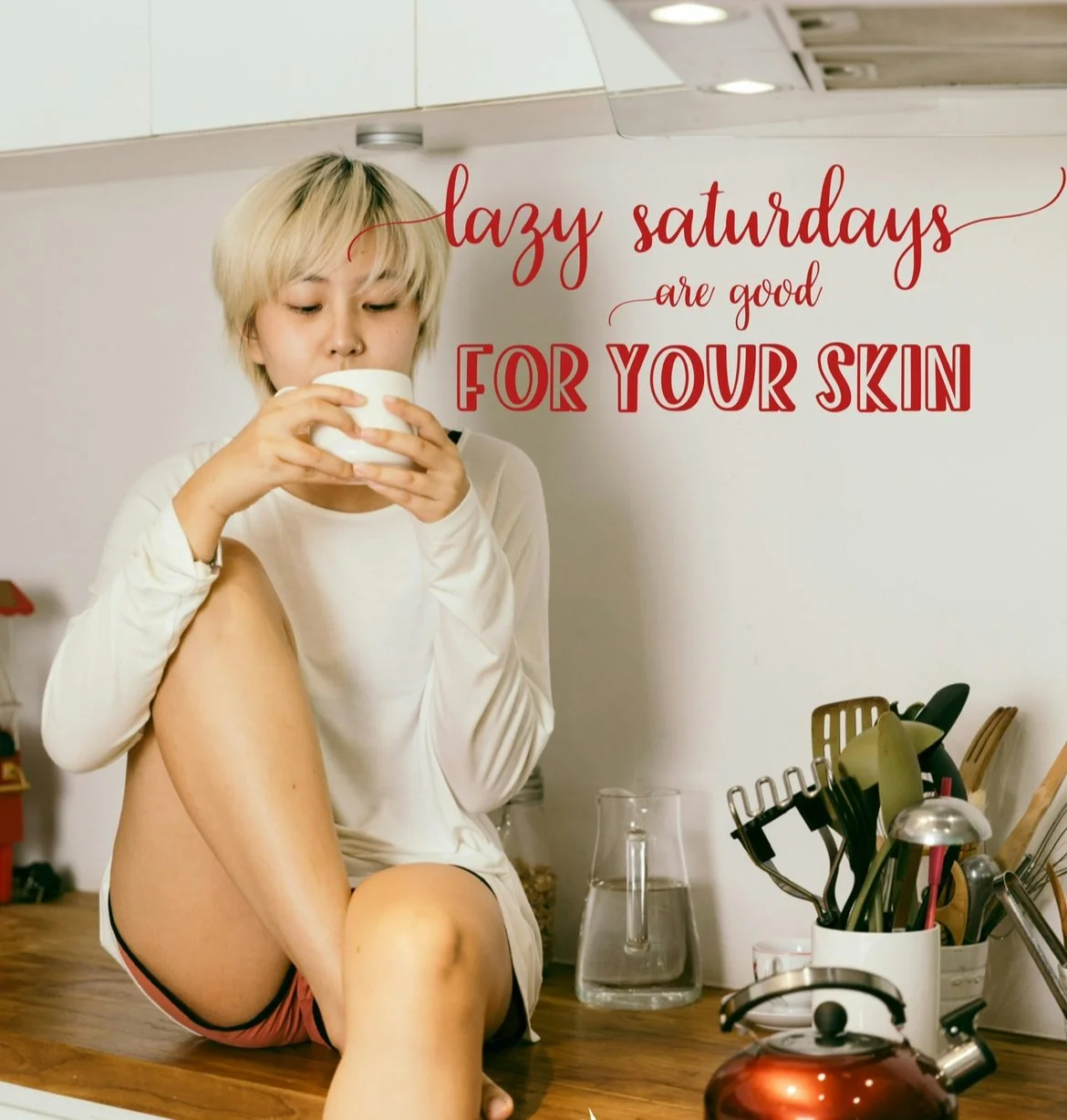
Lazy Saturdays are a MUST
Lazy Saturdays are good for the skin. Enduge in doing nothing to lessen stress.

How do you relax? Lazy Saturdays are my favorite! Stress release is essential for health skin and a glowing complexion.
Stress has a direct effect on skin health and beauty. When we are stressed out, our skin barrier function doesn’t work like it should. Moisture is not held in properly and skin gets dry and flakey and speeds up wrinkle formation. Applying a properly formulated lipid rich moisturizer has been proven to reverse this cascade of events.
-Shelly Todd

Vitamin D from Sun
How to be safe from the sun and still get vitamin D.
Vitamin D is important for so many things. You don’t have to bake in the sun to get it but make sure you’re outside with full sun on your legs/arms (never your face or chest!) to properly synthesize your D.
