
J Renee Organics Skin and Beauty Blog:
Skin Advice for a Natural, Healthy, Glowing Complexion
Blog Search:
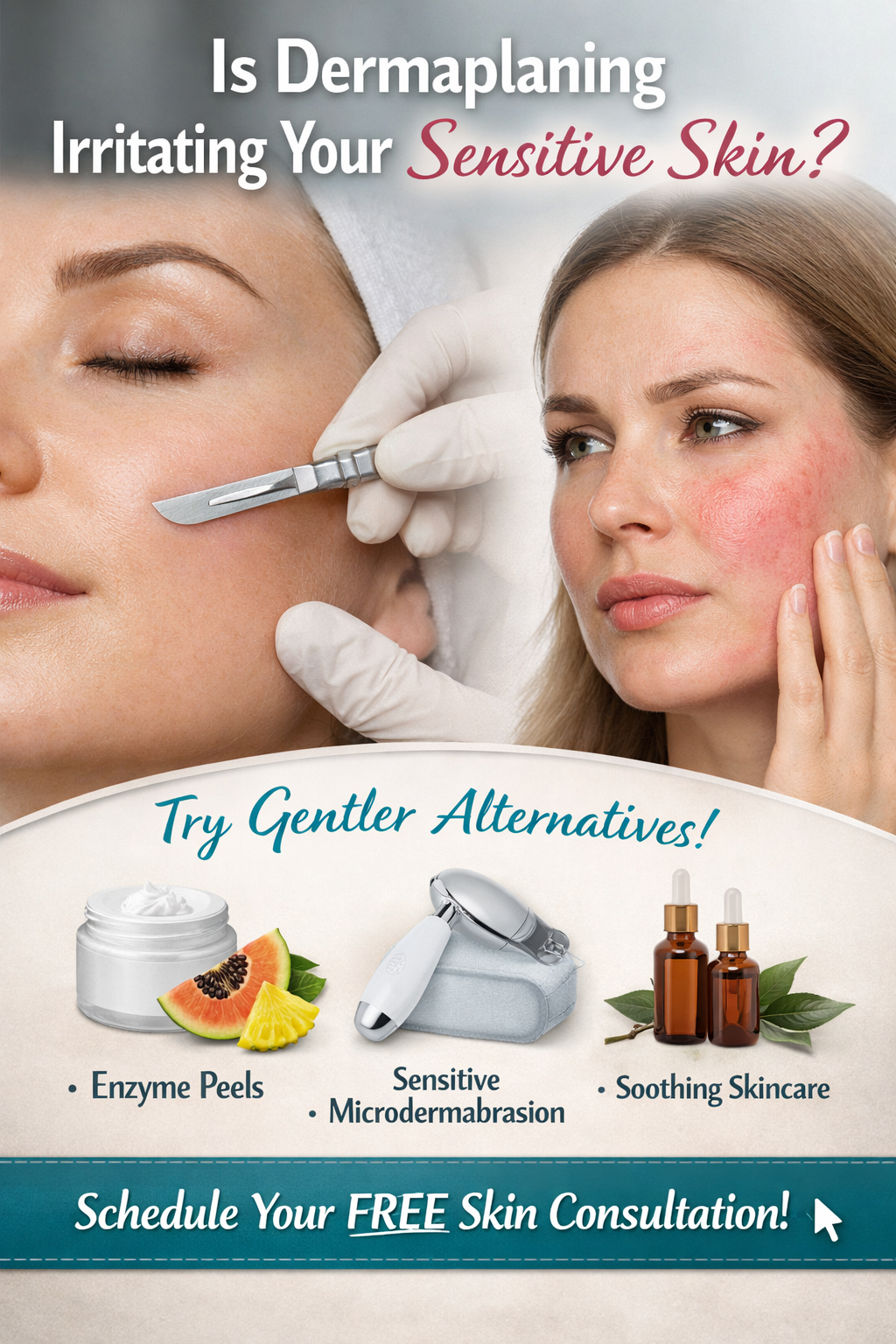
Dermaplaning Isn’t Ideal for Sensitive Skin (And What Works Better)
Dermaplaning can leave skin smooth, but for people with sensitive or reactive skin it may increase redness, irritation, and inflammation. Learn why dermaplaning isn’t always the best choice and discover gentler professional treatments that support a healthy skin barrier.
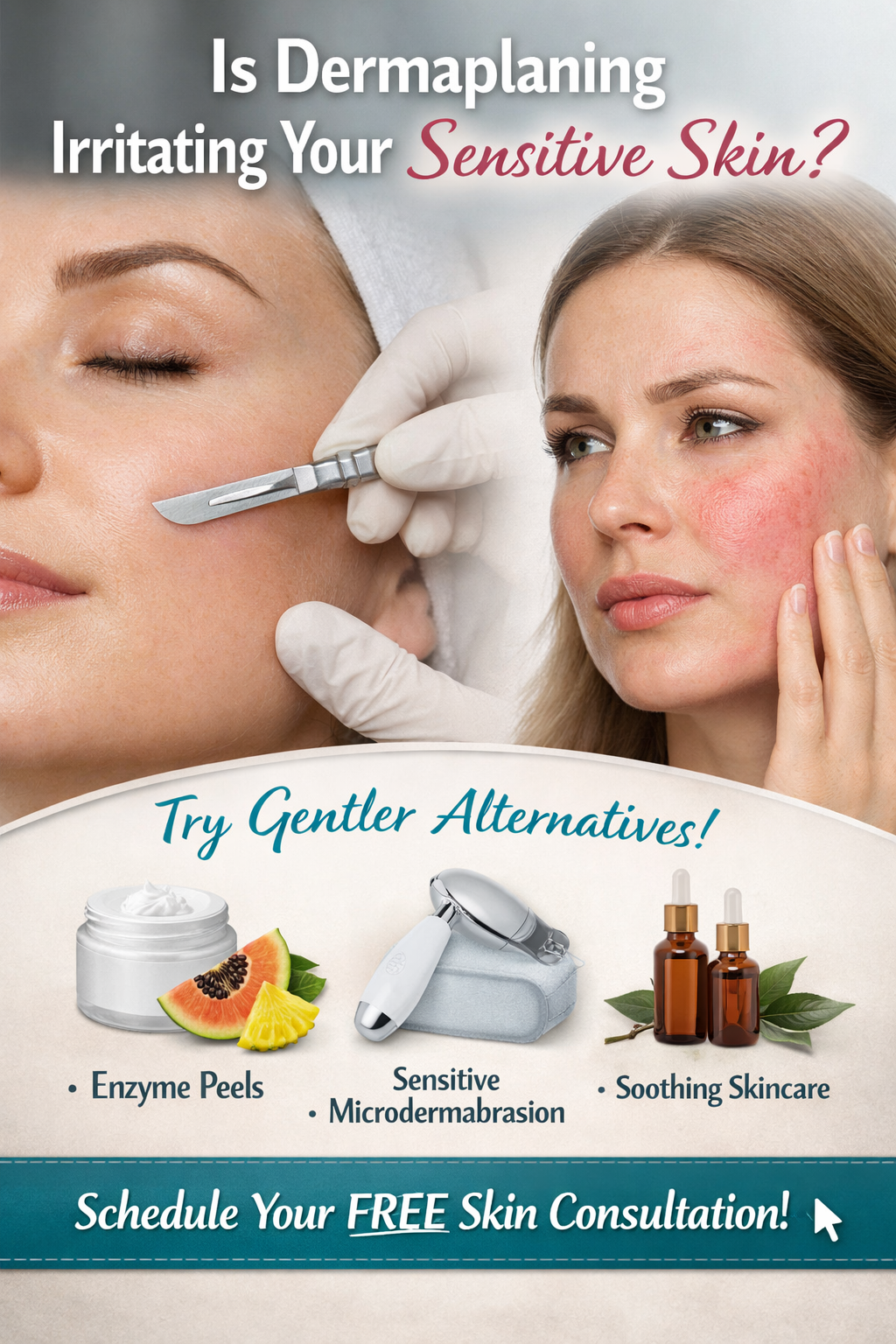
Why Dermaplaning Isn’t Always the Best Choice for Sensitive Skin
Dermaplaning is a popular exfoliation treatment that uses a sterile blade to remove dead skin cells and fine facial hair. While many people love the smooth glow it creates, it isn’t always the right treatment for people with sensitive or reactive skin.
Sensitive skin often has a weakened barrier and a higher tendency toward inflammation. Because dermaplaning is a mechanical exfoliation method, the scraping motion can sometimes trigger redness, irritation, or flare-ups in conditions like Rosacea or Eczema.
Another concern is that dermaplaning temporarily removes part of the skin’s protective outer layer. In resilient skin this can stimulate renewal, but in sensitive skin it can increase water loss and allow irritants to penetrate more easily.
The good news is that sensitive skin can still benefit from professional exfoliation. Gentler treatments such as enzyme resurfacing, microdermabrasion designed for sensitive skin and antioxidant-rich skincare can encourage healthy skin turnover while protecting the barrier.
At J Renee Esthetics, every treatment begins with understanding your unique skin type. Choosing the right exfoliation method can make the difference between irritation and truly glowing skin.
Not sure what treatment is best for your skin?
Schedule a free skin consultation and personalized treatment plan at JReneeOrganics.com and discover the safest way to achieve radiant, healthy skin.

Allergies, histamine & skin.
Learn what to avoid to help dry and inflamed, allergic skin during the

Pollen counts this year are OUT OF CONTROL! Historical highs in pollen are leading people to severe seasonal allergies, sleep issues because of it and skin problems.
People who experience seasonal allergies tend to experience dry, itchy, irritated skin. Also, histamine naturally stimulates oil production in the skin, so when you take antihistamines, it can dry the skin out. Combat dry skin with the proper lotion for you and your allergic condition.
When histamine is released in the body, the skin tells a story of the internal battle: it gets itchy, irritated and inflamed. If you already have skin issues like acne, rosacea, eczema or dermatitis, it could make those conditions worse when pollen counts are high.
Natural antihistamines are easier on the skin and the body and can provide relief from allergy symptoms as well as skin issues. Quercetin is a natural antihistamine that is found in apples, onions and berries. There are also quercetin supplements sold that can be taken daily.
During the height of spring and pollen counts, it’s helpful to avoid high-histamine foods so your body isn’t overwhelmed with reactions, making you feel and look worse. High histamine food consists of anything “old” or “aged”. Skip the left-overs, avoid aged, smoked, preserved, “sour” or picked food. Seafood is often the worst for histamine counts. Some fruits and veggies are also high in histamine, those include avocado, banana, tomatoes and worst of all: citrus fruits. Eating fresh meat, fresh veggies and fruit (accept the ones listed above) will help with your allergy battle.
As for your irritated, allergic skin, switching to a calming skincare regimen during spring that’s more moisturizing may help with redness and dry skin issues during high pollen times. For more information, schedule a free skin consult today to find your answers.